Cheese Culture
What is Cheese Culture?
Cheese culture refers to specific strains of bacteria or fungi, such as Lactococcus or Streptococcus, used in cheesemaking. These beneficial microorganisms are carefully selected and grown in a controlled environment, often using milk-based media, to create a concentrated starter culture. They are essential for initiating the fermentation process in milk.
Is Cheese Culture vegan?
No. Cheese Culture is animal-derived, so it is not vegan.
Is Cheese Culture a major allergen?
Cheese culture itself is not a major allergen.
What is Cheese Culture used for?
Manufacturers add cheese cultures to milk to produce various types of cheese and other fermented dairy products.
Is Cheese Culture safe?
In the United States, cheese cultures are generally recognized as safe (GRAS) for their intended use in food.
Why it's used
Manufacturers add cheese cultures to milk to produce various types of cheese and other fermented dairy products. Their primary functions are to acidify the milk, develop characteristic flavors and aromas, and contribute to the texture and appearance of the final product. They also play a role in preserving the cheese.
Health notes
In the United States, cheese cultures are generally recognized as safe (GRAS) for their intended use in food. They consist of beneficial microorganisms that are commonly consumed in fermented foods and are not associated with adverse health effects at typical intake levels. Neither JECFA nor EFSA typically evaluates these broad categories of cultures as single food additives, as they are considered traditional food ingredients or processing aids. There are no notable health controversies associated with the consumption of cheese cultures.
Allergen info
Cheese culture itself is not a major allergen. However, it is used to make cheese, which is derived from milk, one of the nine major allergens.
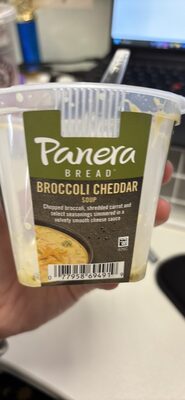
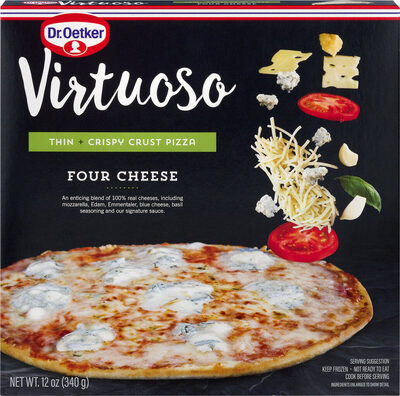
Foods that contain Cheese Culture
Compare products →

Auto-generated content. This description was generated automatically and is pending editorial review. Inaccuracies are possible. Found a mistake? Contact us.