Not More Than 2% Of Calcium Silicate
What is Not More Than 2% Of Calcium Silicate?
Calcium silicate is a synthetic compound made from calcium oxide and silicon dioxide. It is a fine, white powder that is insoluble in water. It is produced by reacting calcium hydroxide with silicon dioxide under controlled conditions.
Is Not More Than 2% Of Calcium Silicate vegan?
Not More Than 2% Of Calcium Silicate is not animal-derived. Products that contain it can still include other animal-derived ingredients, so check the full ingredient list.
Is Not More Than 2% Of Calcium Silicate a major allergen?
Not a major allergen.
What is Not More Than 2% Of Calcium Silicate used for?
Manufacturers add calcium silicate to powdered foods as an anti-caking agent.
Is Not More Than 2% Of Calcium Silicate safe?
Calcium silicate is generally recognized as safe (GRAS) by the FDA for use as an anti-caking agent.
Why it's used
Manufacturers add calcium silicate to powdered foods as an anti-caking agent. It helps prevent clumping and ensures a free-flowing product. It is commonly found in salt, sugar, spices, and powdered drink mixes.
Health notes
Calcium silicate is generally recognized as safe (GRAS) by the FDA for use as an anti-caking agent. It is poorly absorbed by the body and passes through the digestive system largely undigested. JECFA has evaluated calcium silicate and established an acceptable daily intake. No significant health concerns are associated with its typical use in food.
Allergen info
Not a major allergen.
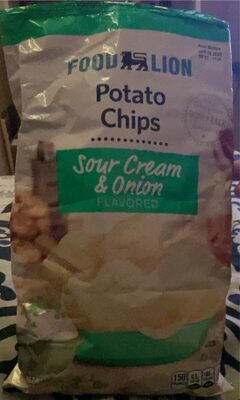
Foods that contain Not More Than 2% Of Calcium Silicate
Compare products →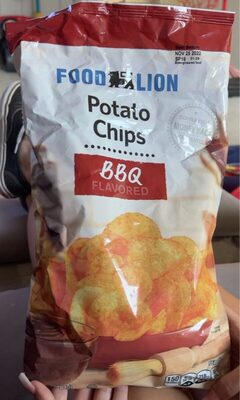
Auto-generated content. This description was generated automatically and is pending editorial review. Inaccuracies are possible. Found a mistake? Contact us.