Oolong Tea Extract
Auto-generated content. This description was generated automatically and is pending editorial review. Inaccuracies are possible. Found a mistake? Contact us.
What it is
Oolong tea extract is made from the leaves of the Camellia sinensis plant, the same plant used for green and black teas. It is produced by a process of partial oxidation, which falls between the processes for green tea (unoxidized) and black tea (fully oxidized). The extract is typically made by steeping the tea leaves in water or alcohol to capture their flavor and beneficial compounds.
Why it's used
Oolong tea extract is often added to foods and beverages for its distinct flavor profile and potential health-promoting properties. It is commonly found in beverages like fruit juices, flavored waters, and teas, as well as in confectionery products like candies and chocolates. Its use can impart a unique, slightly floral or roasted taste.
Health notes
Oolong tea extract is generally recognized as safe (GRAS) by the FDA for use in food. It contains various compounds, including polyphenols and caffeine, which have been studied for potential antioxidant effects. Regulatory bodies like JECFA and EFSA have evaluated tea extracts and their components. While some studies suggest potential benefits for metabolism or heart health, evidence is mixed, and more research is needed to confirm these effects at typical dietary intake levels.
Allergen info
Oolong tea extract is not derived from any of the nine major allergens recognized by the FDA. It does not contain gluten.
Products containing Oolong Tea Extract
Compare products →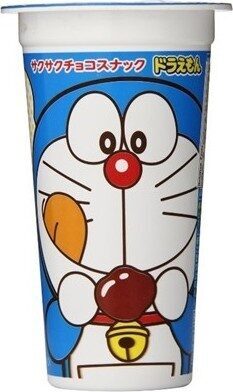 NOT A BRANDED ITEM
Chocolate Cracker, Chocolate
583kcal
8.3Protein
29.2Fat
75Carbs
Suntory International Corp.
Juice, Citrus, Citrus
18kcal
0Protein
0Fat
4.4Carbs
Suntory International Corp.
Fruit Infused Beverage, Peach
18kcal
0Protein
0Fat
4.4Carbs
Suntory International Corp.
Ovi, Fruit Infused Beverage, Berry
18kcal
0Protein
0Fat
4.3Carbs
Stry Enterprises, LLC
Chaielixir, Fusion Oolong Tea
25kcal
0Protein
0Fat
6.8Carbs
NOT A BRANDED ITEM
Chocolate Cracker, Chocolate
583kcal
8.3Protein
29.2Fat
75Carbs
Suntory International Corp.
Juice, Citrus, Citrus
18kcal
0Protein
0Fat
4.4Carbs
Suntory International Corp.
Fruit Infused Beverage, Peach
18kcal
0Protein
0Fat
4.4Carbs
Suntory International Corp.
Ovi, Fruit Infused Beverage, Berry
18kcal
0Protein
0Fat
4.3Carbs
Stry Enterprises, LLC
Chaielixir, Fusion Oolong Tea
25kcal
0Protein
0Fat
6.8Carbs