Organic Anise Seed
Auto-generated content. This description was generated automatically and is pending editorial review. Inaccuracies are possible. Found a mistake? Contact us.
What it is
Organic anise seed comes from the dried fruit of the Pimpinella anisum plant, native to the Mediterranean region and Southwest Asia. The seeds are small, oval, and have a distinct licorice-like flavor and aroma. They are typically used whole or ground.
Why it's used
Anise seed is primarily used as a flavoring agent in a variety of foods, especially baked goods, candies, and beverages. Its strong, sweet flavor makes it a popular choice for adding a unique taste profile. It is frequently found in teas, pizzas, and meat products.
Health notes
Anise seed is generally recognized as safe (GRAS) by the FDA for use as a food flavoring. It is not typically consumed in amounts that would cause adverse health effects. International bodies like JECFA and EFSA have evaluated anise and its extracts, and have established acceptable daily intakes. Some studies suggest potential antioxidant and anti-inflammatory properties, but more research is needed to confirm these effects in humans at typical consumption levels.
Allergen info
Anise seed is not one of the nine FDA major allergens. It does not contain gluten.
Products containing Organic Anise Seed
Compare products →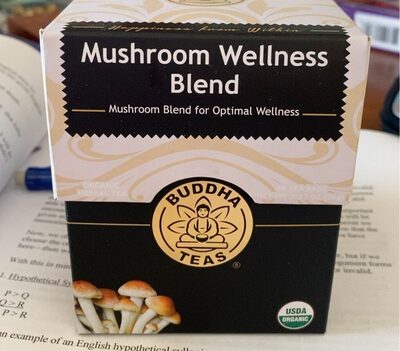 Buddha Teas
Mushroom Wellness Blend Organic Herbal Tea Bags, Mushroom Wellness Blend
0kcal
0Protein
0Fat
0Carbs
North Country Elements, LLC
Bold Organics, Turn On The Flavor, Gluten Free Thin Crust Pizza
High in sodium — 22% DV per serving
212kcal
4.2Protein
10.2Fat
24.6Carbs
Buddha Teas
Mushroom Wellness Blend Organic Herbal Tea Bags, Mushroom Wellness Blend
0kcal
0Protein
0Fat
0Carbs
North Country Elements, LLC
Bold Organics, Turn On The Flavor, Gluten Free Thin Crust Pizza
High in sodium — 22% DV per serving
212kcal
4.2Protein
10.2Fat
24.6Carbs
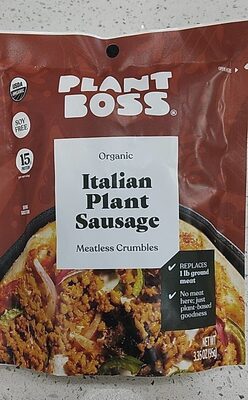 Frontier Cooperative Herbs
Organic Italian Plant Sausage, Italian Plant
375kcal
62.5Protein
6.2Fat
16.7Carbs
Earth Mama Angel Baby
Fragrant Fennel Herb Organic Milkmaid Tea Bags, Fragrant Fennel Herb
0kcal
0Protein
0Fat
0Carbs
Frontier Cooperative Herbs
Organic Italian Plant Sausage, Italian Plant
375kcal
62.5Protein
6.2Fat
16.7Carbs
Earth Mama Angel Baby
Fragrant Fennel Herb Organic Milkmaid Tea Bags, Fragrant Fennel Herb
0kcal
0Protein
0Fat
0Carbs
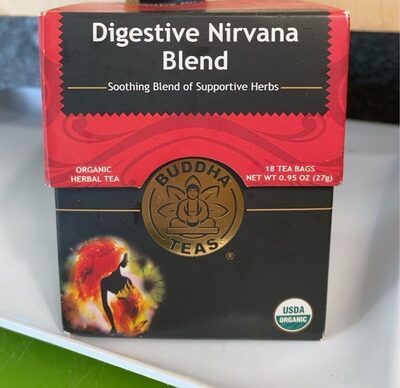 Buddha Teas
Digestive Nirvana Blend Organic Herbal Tea Bags, Digestive Nirvana Blend
0kcal
0Protein
0Fat
0Carbs
Buddha Teas
Digestive Nirvana Blend Organic Herbal Tea Bags, Digestive Nirvana Blend
0kcal
0Protein
0Fat
0Carbs