Organic Baby Chard
What is Organic Baby Chard?
Organic baby chard is a young, tender leafy green vegetable, a variety of the Swiss chard plant. It is harvested at an immature stage for a milder flavor and softer texture. It is grown without synthetic pesticides or fertilizers.
Is Organic Baby Chard vegan?
Organic Baby Chard is not animal-derived. Products that contain it can still include other animal-derived ingredients, so check the full ingredient list.
Is Organic Baby Chard gluten-free?
Baby chard is not a major allergen and does not contain gluten.
What is Organic Baby Chard used for?
Baby chard is typically used as a fresh ingredient in salads, smoothies, and as a sautéed or steamed side dish.
Is Organic Baby Chard safe?
Baby chard is a nutrient-dense food, providing vitamins A, C, and K, as well as minerals like iron and magnesium.
Why it's used
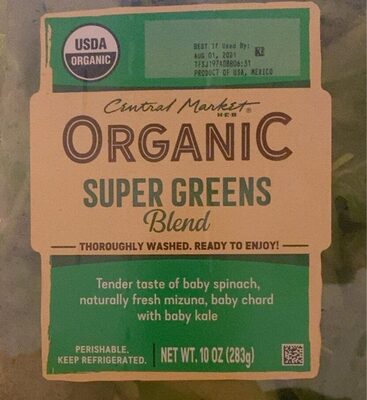
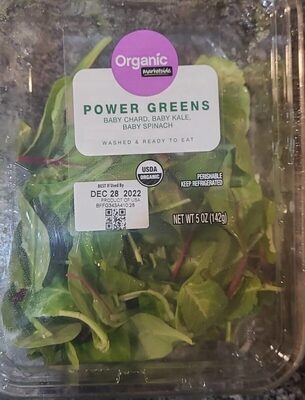
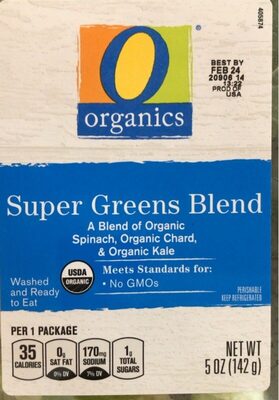
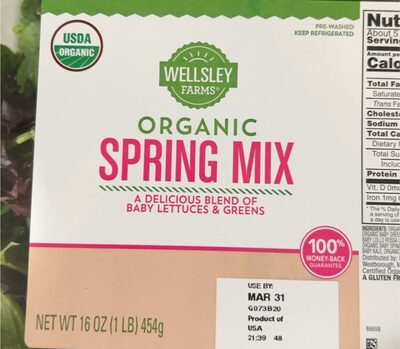
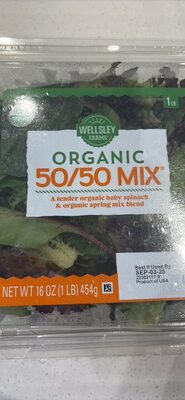
Baby chard is typically used as a fresh ingredient in salads, smoothies, and as a sautéed or steamed side dish. Manufacturers may include it in packaged salad mixes, frozen vegetable blends, and ready-to-eat meals for added nutrition and color.
Health notes
Baby chard is a nutrient-dense food, providing vitamins A, C, and K, as well as minerals like iron and magnesium. It is not an additive and does not have a regulatory status as such. Like other leafy greens, it contributes fiber and antioxidants to the diet. No major health organizations have issued specific evaluations for 'baby chard' as it is a whole food, not a processed ingredient.
Allergen info
Baby chard is not a major allergen and does not contain gluten. It is a plant-based food.
Foods that contain Organic Baby Chard
Compare products →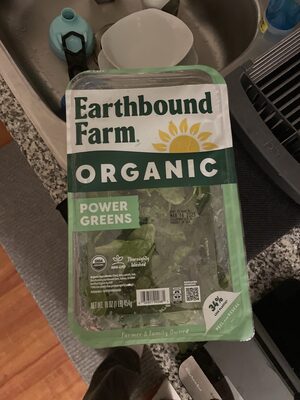
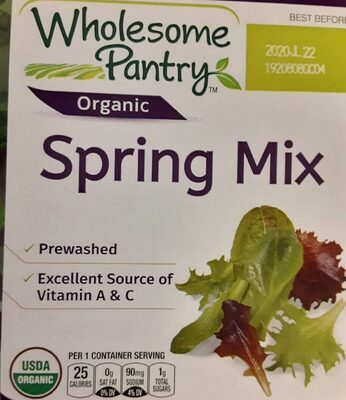
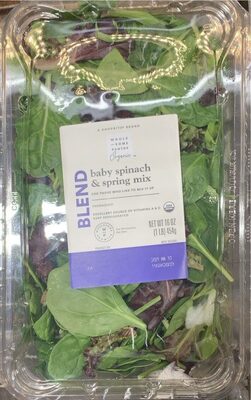
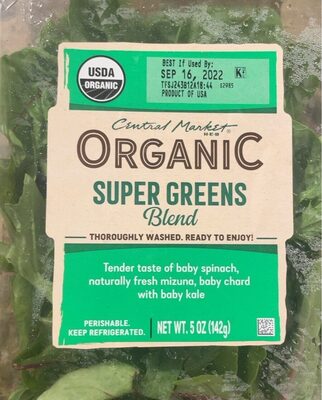
Auto-generated content. This description was generated automatically and is pending editorial review. Inaccuracies are possible. Found a mistake? Contact us.