Auto-generated content.
This description was generated automatically and is pending editorial review.
Inaccuracies are possible. Found a mistake? Contact us.
Source
Not animal-derived
Allergen
No
Role in food
Manufacturers use organic beet juice primarily as a natural colorant, imparting a red or …
What it is
Organic beet juice is the liquid extracted from organic beets, a root vegetable. Beets are grown without synthetic pesticides or fertilizers. The juice is typically made by pressing or blending whole beets.
Why it's used
Manufacturers use organic beet juice primarily as a natural colorant, imparting a red or pink hue to foods. It can also contribute a mild, earthy sweetness. You'll find it in products like fruit snacks, beverages, and some confectionery.
Health notes
Organic beet juice is generally recognized as safe (GRAS) by the FDA for use in food. It is a source of nitrates, which the body can convert to nitric oxide, potentially affecting blood pressure. Regulatory bodies like EFSA have evaluated beet juice and its components. Research on the health effects of beet juice is ongoing, with some studies suggesting benefits related to exercise performance and cardiovascular health, while others show mixed results.
Allergen info
Beet juice is not derived from any of the 9 FDA major allergens. It does not contain gluten.
Note:
This site presents label data from USDA FoodData Central for general information. It is not medical advice.
Check the package label; formulations change.
 Mad at S.A.D. LLC
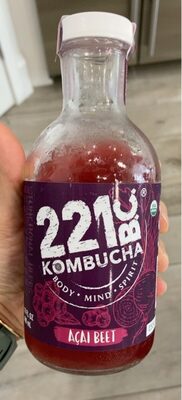
Acai Beet Kombucha, Acai Beet
15kcal
0Protein
0Fat
2.5Carbs
Mad at S.A.D. LLC
Acai Beet Kombucha, Acai Beet
15kcal
0Protein
0Fat
2.5Carbs