Organic Bilberries
What is Organic Bilberries?
Organic bilberries are small, dark blue berries native to Northern Europe. They are a type of blueberry, often called "wild blueberries." They are typically harvested from wild bushes and can be used fresh or frozen.
Is Organic Bilberries vegan?
Organic Bilberries is not animal-derived. Products that contain it can still include other animal-derived ingredients, so check the full ingredient list.
Is Organic Bilberries gluten-free?
They do not contain gluten.
Is Organic Bilberries a major allergen?
Bilberries are not a major allergen.
What is Organic Bilberries used for?
Bilberries are used to add natural fruit flavor, color, and sweetness to foods.
Is Organic Bilberries safe?
Bilberries are a natural food ingredient and are generally recognized as safe (GRAS) by the FDA.
Why it's used
Bilberries are used to add natural fruit flavor, color, and sweetness to foods. They are commonly found in jams, jellies, baked goods, and beverages. Their vibrant color can also contribute to the visual appeal of products.
Health notes
Bilberries are a natural food ingredient and are generally recognized as safe (GRAS) by the FDA. They are rich in antioxidants, particularly anthocyanins, which give them their deep blue color. While research suggests potential health benefits associated with antioxidant-rich fruits, bilberries are not specifically regulated as a therapeutic agent. JECFA and EFSA have not specifically evaluated bilberries as a food additive.
Allergen info
Bilberries are not a major allergen. They do not contain gluten.
Foods that contain Organic Bilberries
Compare products →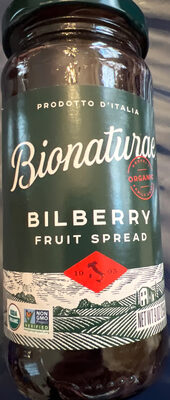
Auto-generated content. This description was generated automatically and is pending editorial review. Inaccuracies are possible. Found a mistake? Contact us.