Organic Black Carrot Concentrate
What is Organic Black Carrot Concentrate?
Organic black carrot concentrate is a natural food coloring derived from organic black carrots. The carrots are typically juiced, and then the juice is concentrated to create a vibrant colorant. This process preserves the natural pigments found in the carrots.
Is Organic Black Carrot Concentrate vegan?
Organic Black Carrot Concentrate is not animal-derived. Products that contain it can still include other animal-derived ingredients, so check the full ingredient list.
Is Organic Black Carrot Concentrate a major allergen?
Not a major allergen.
What is Organic Black Carrot Concentrate used for?
Manufacturers use organic black carrot concentrate to provide a natural red, purple, or blue color to foods.
Is Organic Black Carrot Concentrate safe?
Organic black carrot concentrate is generally recognized as safe (GRAS) by the FDA for use as a food coloring.
Why it's used
Manufacturers use organic black carrot concentrate to provide a natural red, purple, or blue color to foods. It is often found in products like snack bars, energy chews, and beverages where consumers may prefer natural colorings over artificial ones. Its function is purely for visual appeal.
Health notes
Organic black carrot concentrate is generally recognized as safe (GRAS) by the FDA for use as a food coloring. It is a natural source of anthocyanins, which are antioxidants. Regulatory bodies like EFSA have evaluated anthocyanins and found them to be safe. At typical consumption levels found in foods, it is not associated with adverse health effects.
Allergen info
Not a major allergen. It is derived from carrots, which are a vegetable.
Foods that contain Organic Black Carrot Concentrate
Compare products →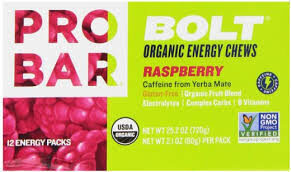
Learn more
Auto-generated content. This description was generated automatically and is pending editorial review. Inaccuracies are possible. Found a mistake? Contact us.