Organic Blackcurrant
What is Organic Blackcurrant?
Organic blackcurrant is a fruit that grows on a deciduous shrub. The berries are typically dark purple or black and are known for their tart flavor. They are often processed into juices, jams, or used as flavorings.
Is Organic Blackcurrant vegan?
Organic Blackcurrant is not animal-derived. Products that contain it can still include other animal-derived ingredients, so check the full ingredient list.
Is Organic Blackcurrant gluten-free?
It does not contain gluten.
Is Organic Blackcurrant a major allergen?
Blackcurrant is not one of the nine major allergens designated by the FDA.
What is Organic Blackcurrant used for?
Blackcurrants are used to add a distinct tart and fruity flavor to a variety of foods.
Is Organic Blackcurrant safe?
Blackcurrants are a natural source of vitamins and antioxidants.
Why it's used
Blackcurrants are used to add a distinct tart and fruity flavor to a variety of foods. They are commonly found in candies, fruit snacks, juices, and baked goods. Their vibrant color can also contribute to the visual appeal of products.
Health notes
Blackcurrants are a natural source of vitamins and antioxidants. The U.S. Food and Drug Administration (FDA) generally recognizes blackcurrants as safe (GRAS) when used as a food ingredient. International bodies like the European Food Safety Authority (EFSA) have evaluated blackcurrant extracts, but specific health claims require careful review of scientific evidence.
Allergen info
Blackcurrant is not one of the nine major allergens designated by the FDA. It does not contain gluten.
Foods that contain Organic Blackcurrant
Compare products →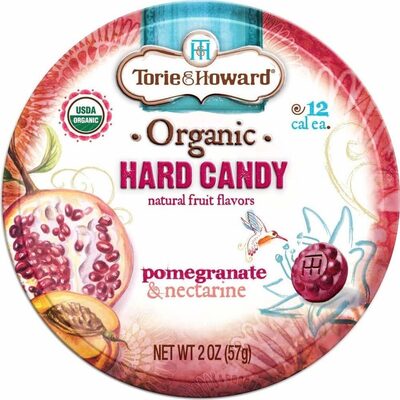
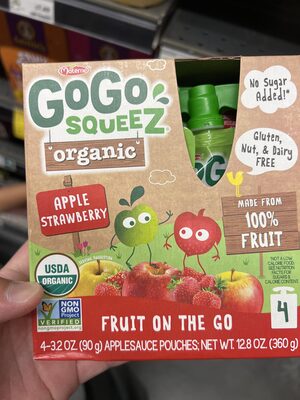


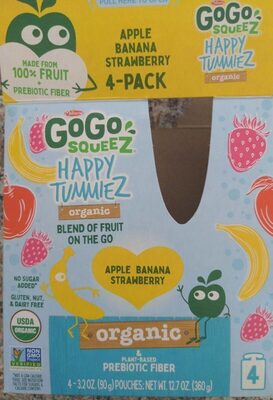

Auto-generated content. This description was generated automatically and is pending editorial review. Inaccuracies are possible. Found a mistake? Contact us.