Organic Blue Spirulina
What is Organic Blue Spirulina?
Blue spirulina is a vibrant blue pigment derived from blue-green algae, specifically Arthrospira platensis. It is produced by extracting the phycocyanin compound from the algae, which is then processed into a powder. This natural colorant is known for its intense blue hue and is often used as an alternative to artificial blue dyes.
Is Organic Blue Spirulina vegan?
Organic Blue Spirulina is not animal-derived. Products that contain it can still include other animal-derived ingredients, so check the full ingredient list.
Is Organic Blue Spirulina gluten-free?
It is also gluten-free.
Is Organic Blue Spirulina a major allergen?
Blue spirulina is not derived from any of the nine FDA major allergens.
What is Organic Blue Spirulina used for?
Manufacturers use blue spirulina primarily as a natural blue food coloring.
Is Organic Blue Spirulina safe?
Blue spirulina is generally recognized as safe (GRAS) by the FDA for use as a food coloring.
Why it's used
Manufacturers use blue spirulina primarily as a natural blue food coloring. Its bright color makes it popular in smoothies, juices, baked goods, and dairy products like ice cream and yogurt. It can also be found in dietary supplements and confectionery.
Health notes
Blue spirulina is generally recognized as safe (GRAS) by the FDA for use as a food coloring. It is a source of protein and antioxidants. While generally considered safe, some individuals may experience mild digestive upset. Regulatory bodies like EFSA have evaluated phycocyanin, the main component, for safety. No significant health concerns are associated with its typical consumption as a food colorant.
Allergen info
Blue spirulina is not derived from any of the nine FDA major allergens. It is also gluten-free.
Foods that contain Organic Blue Spirulina
Compare products →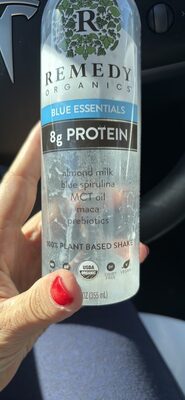
Learn more
Auto-generated content. This description was generated automatically and is pending editorial review. Inaccuracies are possible. Found a mistake? Contact us.