Organic Brussels Sprout
Auto-generated content. This description was generated automatically and is pending editorial review. Inaccuracies are possible. Found a mistake? Contact us.
What it is
Organic Brussels sprouts are small, leafy green vegetables that grow in clusters on a thick stalk. They are a member of the cabbage family, known as Brassica oleracea, and are cultivated using organic farming methods, meaning they are grown without synthetic pesticides, fertilizers, or genetically modified organisms. After harvesting, they are typically cleaned, and may be dried or powdered for use in food products.
Why it's used
In packaged foods, organic Brussels sprouts are primarily used as a source of nutrients, fiber, and plant-based protein. They contribute to the overall nutritional profile of products, especially in meal replacement supplements and plant-based protein powders. Their presence helps fortify these products with vitamins and minerals naturally found in vegetables.
Health notes
As a whole food, Brussels sprouts are generally recognized as safe (GRAS) by the FDA. They are a nutritious vegetable, providing vitamins, minerals, and fiber. There are no specific regulatory concerns or controversies regarding organic Brussels sprouts when consumed as part of a typical diet. JECFA and EFSA do not typically evaluate whole foods like Brussels sprouts as food additives.
Allergen info
Not a major allergen.
Products containing Organic Brussels Sprout
Compare products →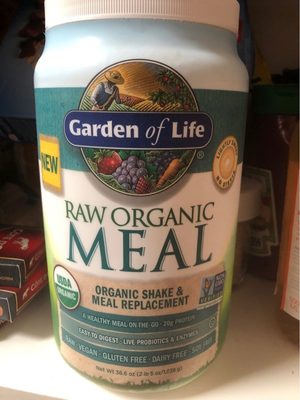 Garden of Life, Inc.
Raw Organic Shake & Meal Replacement Powder, Lightly Sweet No Stevia, Lightly Sweet No Stevia
378kcal
54.0Protein
5.4Fat
37.8Carbs
Garden of Life, Inc.
Raw Organic Shake & Meal Replacement Powder, Lightly Sweet No Stevia, Lightly Sweet No Stevia
378kcal
54.0Protein
5.4Fat
37.8Carbs
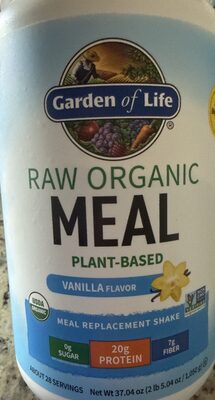 Garden of Life, Inc.
Raw Organic Plant-Based Protein 20 G Meal Replacement Shake, Vanilla, Vanilla
400kcal
53.3Protein
5.3Fat
34.7Carbs
Garden of Life, Inc.
Raw Organic Plant-Based Protein 20 G Meal Replacement Shake, Vanilla, Vanilla
400kcal
53.3Protein
5.3Fat
34.7Carbs
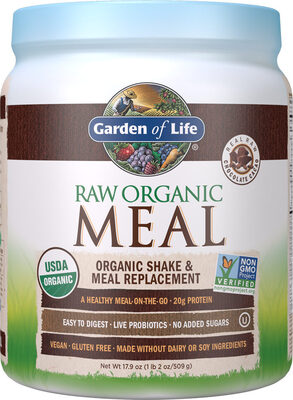 Garden of Life, Inc.
Raw Organic Meal Protein 20 G Powder, Chocolate Cacao, Chocolate Cacao
333kcal
55.6Protein
5.6Fat
22.2Carbs
Garden of Life, Inc.
Raw Organic Meal Protein 20 G Powder, Chocolate Cacao, Chocolate Cacao
333kcal
55.6Protein
5.6Fat
22.2Carbs
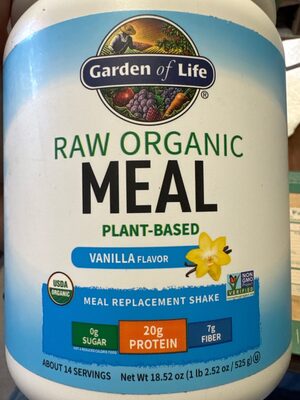 Garden of Life, Inc.
Raw Organic Meal Protein 20 G Powder, Vanilla, Vanilla
329kcal
57.1Protein
4.3Fat
22.9Carbs
Garden of Life, Inc.
Raw Organic Meal Protein 20 G Powder, Vanilla, Vanilla
329kcal
57.1Protein
4.3Fat
22.9Carbs
 Garden of Life, Inc.
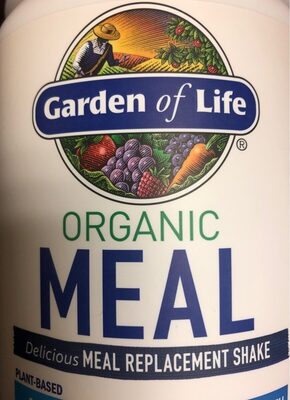
Organic Delicious Meal Replacement Shake, Vanilla
333kcal
58.0Protein
4.3Fat
26.1Carbs
Garden of Life, Inc.
Organic Delicious Meal Replacement Shake, Vanilla
333kcal
58.0Protein
4.3Fat
26.1Carbs
 Garden of Life, Inc.
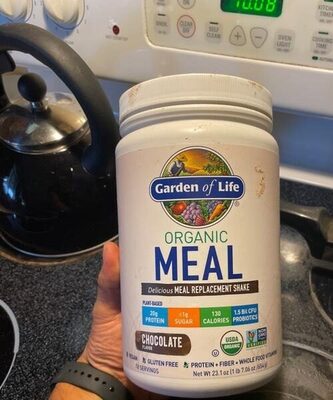
Organic Delicious Meal Replacement Shake
329kcal
54.8Protein
5.5Fat
21.9Carbs
Garden of Life, Inc.
Raw Organic Shake & Meal Replacement Powder, Chocolate Cacao, Chocolate Cacao
361kcal
55.6Protein
6.9Fat
36.1Carbs
Garden of Life, Inc.
Organic Delicious Meal Replacement Shake
329kcal
54.8Protein
5.5Fat
21.9Carbs
Garden of Life, Inc.
Raw Organic Shake & Meal Replacement Powder, Chocolate Cacao, Chocolate Cacao
361kcal
55.6Protein
6.9Fat
36.1Carbs
 Garden of Life, Inc.
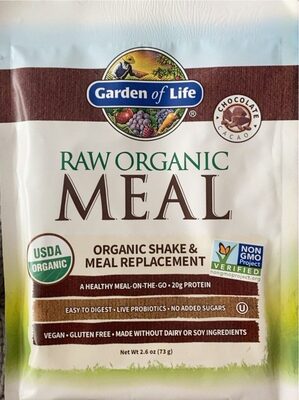
Raw Organic Plant-Based Protein 20 G Meal Replacement Shake Powder, Chocolate, Chocolate
390kcal
52.0Protein
6.5Fat
31.2Carbs
Garden of Life, Inc.
Raw Organic Plant-Based Protein 20 G Meal Replacement Shake Powder, Chocolate, Chocolate
390kcal
52.0Protein
6.5Fat
31.2Carbs
 Garden of Life, Inc.
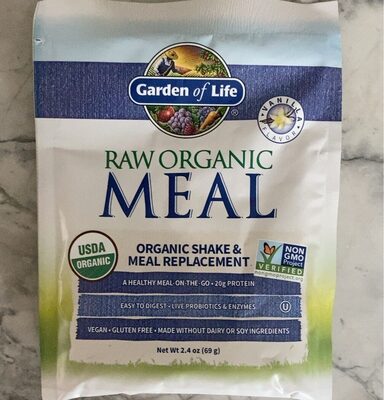
Raw Organic Plant-Based Protein 20 G Meal Replacement Shake Powder, Vanilla, Vanilla
400kcal
53.3Protein
5.3Fat
34.7Carbs
Garden of Life, Inc.
Raw Organic Plant-Based Protein 20 G Meal Replacement Shake Powder, Vanilla, Vanilla
400kcal
53.3Protein
5.3Fat
34.7Carbs