Organic Canola Lecithin
Auto-generated content. This description was generated automatically and is pending editorial review. Inaccuracies are possible. Found a mistake? Contact us.
What it is
Canola lecithin is a fat-like substance derived from canola seeds. It is produced by extracting oil from the seeds and then processing the oil to isolate the lecithin. The 'organic' designation means the canola seeds were grown without synthetic pesticides or fertilizers.
Why it's used
Manufacturers use canola lecithin as an emulsifier, helping to blend ingredients that normally don't mix, like oil and water. It also acts as a stabilizer and can improve texture. You'll find it in a variety of processed foods, including baked goods, chocolate, and convenience meals.
Health notes
In the U.S., canola lecithin is generally recognized as safe (GRAS) by the FDA when used as intended. It is a source of choline, an essential nutrient. International bodies like JECFA and EFSA have evaluated lecithin, and it is permitted for use in foods in many regions. Evidence does not suggest adverse health effects at typical consumption levels.
Allergen info
Canola lecithin is not derived from soy or any of the other major allergens. It is gluten-free.
Products containing Organic Canola Lecithin
Compare products →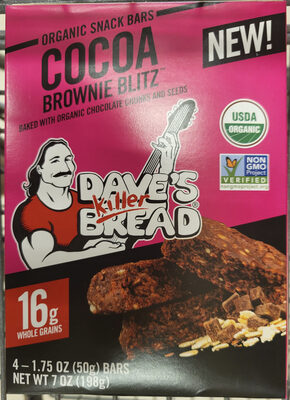 Avb Corp.
Cocoa Brownie Blitz Organic Snack Bars, Cocoa Brownie Blitz
400kcal
6Protein
16Fat
64Carbs
Avb Corp.
Cocoa Brownie Blitz Organic Snack Bars, Cocoa Brownie Blitz
400kcal
6Protein
16Fat
64Carbs
 Avb Corp.
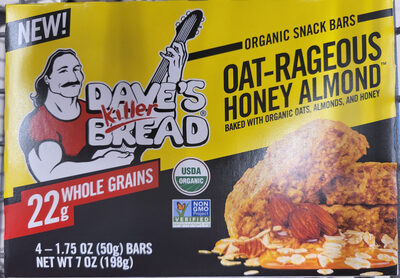
Oat-Rageous Honey Almond Organic Snack Bars, Oat-Rageous Honey Almond
420kcal
8Protein
20Fat
62Carbs
Avb Corp.
Oat-Rageous Honey Almond Organic Snack Bars, Oat-Rageous Honey Almond
420kcal
8Protein
20Fat
62Carbs
 Avb Corp.
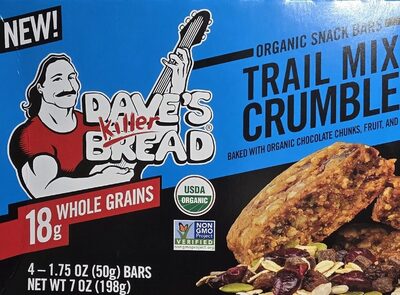
Trail Mix Crumble Organic Snack Bars, Trail Mix Crumble
420kcal
8Protein
20Fat
60Carbs
Avb Corp.
Trail Mix Crumble Organic Snack Bars, Trail Mix Crumble
420kcal
8Protein
20Fat
60Carbs
 Avb Corp.
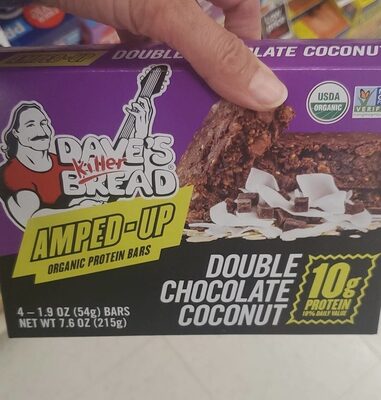
Double Chocolate Coconut Organic Protein Bars, Double Chocolate Coconut
High in saturated fat — 25% DV per serving
444kcal
18.5Protein
24.1Fat
46.3Carbs
Avb Corp.
Double Chocolate Coconut Organic Protein Bars, Double Chocolate Coconut
High in saturated fat — 25% DV per serving
444kcal
18.5Protein
24.1Fat
46.3Carbs