Organic Cardamon
What is Organic Cardamon?
Cardamom is a spice made from the seed pods of various plants in the ginger family. It is native to the Indian subcontinent and Southeast Asia. The pods are dried, and the seeds inside are used whole or ground.
Is Organic Cardamon vegan?
Organic Cardamon is not animal-derived. Products that contain it can still include other animal-derived ingredients, so check the full ingredient list.
Is Organic Cardamon gluten-free?
It does not contain gluten.
Is Organic Cardamon a major allergen?
Cardamom is not one of the nine major allergens recognized by the FDA.
What is Organic Cardamon used for?
Cardamom is primarily used as a flavoring agent in both sweet and savory dishes.
Is Organic Cardamon safe?
Cardamom is generally recognized as safe (GRAS) by the FDA for use as a food flavoring.
Why it's used
Cardamom is primarily used as a flavoring agent in both sweet and savory dishes. Its warm, aromatic flavor is popular in baked goods, curries, and beverages like coffee and tea. Manufacturers use it to add a distinct, complex taste profile to food products.
Health notes
Cardamom is generally recognized as safe (GRAS) by the FDA for use as a food flavoring. It is commonly consumed in amounts that do not pose health risks. International bodies like JECFA and EFSA have evaluated cardamom, and it is widely used in traditional medicine systems, though scientific evidence for specific health benefits is still developing. At typical dietary intake levels, it is not associated with adverse health effects.
Allergen info
Cardamom is not one of the nine major allergens recognized by the FDA. It does not contain gluten.
Foods that contain Organic Cardamon
Compare products →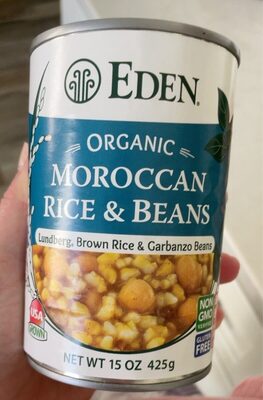
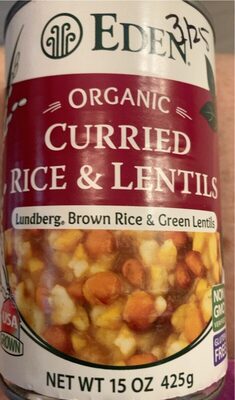
Learn more
Auto-generated content. This description was generated automatically and is pending editorial review. Inaccuracies are possible. Found a mistake? Contact us.