Organic Cassia Oil
What is Organic Cassia Oil?
Organic cassia oil is an essential oil extracted from the bark and leaves of the cassia tree, a relative of cinnamon. It is obtained through steam distillation, a process that uses steam to vaporize the oil from the plant material. The resulting oil is then collected and purified.
Is Organic Cassia Oil vegan?
Organic Cassia Oil is not animal-derived. Products that contain it can still include other animal-derived ingredients, so check the full ingredient list.
Is Organic Cassia Oil gluten-free?
It does not contain gluten.
Is Organic Cassia Oil a major allergen?
Cassia oil is not derived from any of the nine major allergens recognized by the FDA.
What is Organic Cassia Oil used for?
Cassia oil is primarily used as a flavoring agent in foods and beverages, imparting a warm, spicy, and slightly sweet taste reminiscent of cinnamon.
Is Organic Cassia Oil safe?
Cassia oil is generally recognized as safe (GRAS) by the FDA for use as a food flavoring.
Why it's used
Cassia oil is primarily used as a flavoring agent in foods and beverages, imparting a warm, spicy, and slightly sweet taste reminiscent of cinnamon. It is commonly found in products like baked goods, candies, chewing gum, and beverages, including some sport drinks and teas.
Health notes
Cassia oil is generally recognized as safe (GRAS) by the FDA for use as a food flavoring. It contains coumarin, a natural compound that can be harmful in very large amounts. Regulatory bodies like EFSA have evaluated coumarin, and while it is found naturally in cassia, excessive intake is not advised. At typical food-use levels, cassia oil is not associated with adverse health effects.
Allergen info
Cassia oil is not derived from any of the nine major allergens recognized by the FDA. It does not contain gluten.
Foods that contain Organic Cassia Oil
Compare products →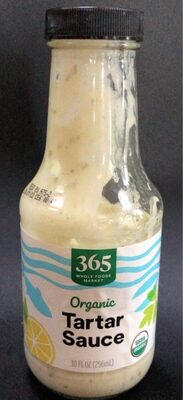
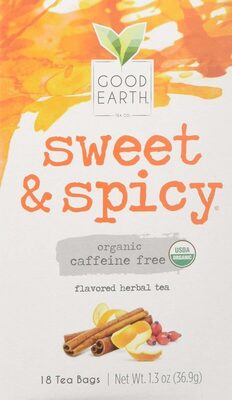
Learn more
Auto-generated content. This description was generated automatically and is pending editorial review. Inaccuracies are possible. Found a mistake? Contact us.