Organic Crushed Garlic
What is Organic Crushed Garlic?
Garlic is a plant in the onion family, known for its pungent flavor and aroma. For food products, it is typically crushed or minced after harvesting and may be sold fresh, dried, or preserved in oil or brine.
Is Organic Crushed Garlic vegan?
Organic Crushed Garlic is not animal-derived. Products that contain it can still include other animal-derived ingredients, so check the full ingredient list.
Is Organic Crushed Garlic gluten-free?
It does not contain gluten.
Is Organic Crushed Garlic a major allergen?
Garlic is not one of the nine major allergens.
What is Organic Crushed Garlic used for?
Manufacturers add crushed garlic to provide a savory, pungent flavor to a wide variety of foods.
Is Organic Crushed Garlic safe?
Garlic is generally recognized by the FDA as safe (GRAS) for use as a food ingredient.
Why it's used
Manufacturers add crushed garlic to provide a savory, pungent flavor to a wide variety of foods. It is a common ingredient in sauces, marinades, dressings, spice blends, and prepared meals, especially those with ethnic or savory profiles.
Health notes
Garlic is generally recognized by the FDA as safe (GRAS) for use as a food ingredient. It is a common component of diets worldwide. While some studies have explored potential health benefits of garlic consumption, these are typically related to whole food intake rather than its use as a flavoring agent in processed foods. Regulatory bodies like EFSA have evaluated garlic and its extracts, but no specific health claims are associated with its use as a food additive.
Allergen info
Garlic is not one of the nine major allergens. It does not contain gluten.
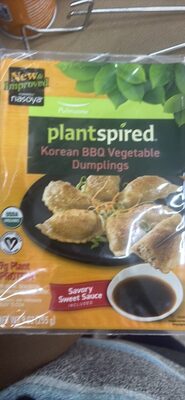
Foods that contain Organic Crushed Garlic
Compare products →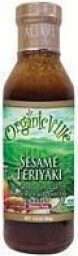
Learn more
Auto-generated content. This description was generated automatically and is pending editorial review. Inaccuracies are possible. Found a mistake? Contact us.