Organic Fair Trade Acai
What is Organic Fair Trade Acai?
Acai (pronounced ah-sigh-EE) is a small, dark purple berry that grows on acai palm trees native to Central and South America, especially Brazil. The berries are typically harvested, pitted, and then processed into a pulp or powder, often frozen to preserve freshness.
Is Organic Fair Trade Acai vegan?
Organic Fair Trade Acai is not animal-derived. Products that contain it can still include other animal-derived ingredients, so check the full ingredient list.
Is Organic Fair Trade Acai gluten-free?
It does not contain gluten.
Is Organic Fair Trade Acai a major allergen?
Acai is not one of the nine major allergens recognized by the FDA.
What is Organic Fair Trade Acai used for?
Acai is often used for its flavor and color in foods like smoothies, juices, yogurt, and desserts.
Is Organic Fair Trade Acai safe?
Acai is generally recognized as safe (GRAS) by the FDA for use in food.
Why it's used
Acai is often used for its flavor and color in foods like smoothies, juices, yogurt, and desserts. Manufacturers may also add it for its perceived health benefits and its vibrant purple hue, making products visually appealing.
Health notes
Acai is generally recognized as safe (GRAS) by the FDA for use in food. It is a source of antioxidants and fiber. Regulatory bodies like EFSA have not set specific limits for acai, and it is not typically subject to the same evaluations as artificial food additives. Evidence on specific health benefits is ongoing and often based on its antioxidant content.
Allergen info
Acai is not one of the nine major allergens recognized by the FDA. It does not contain gluten.
Foods that contain Organic Fair Trade Acai
Compare products →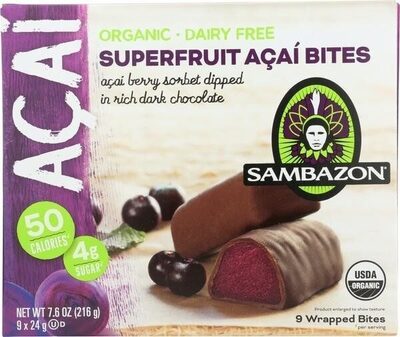
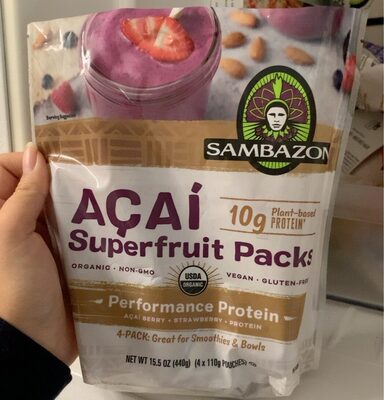
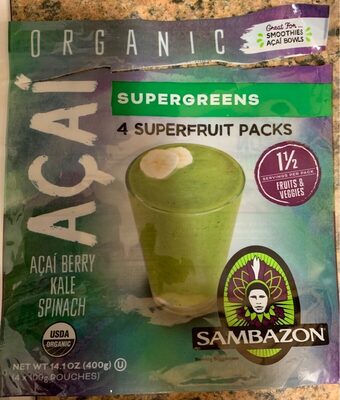
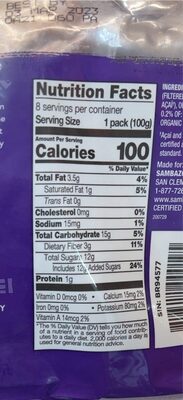
Auto-generated content. This description was generated automatically and is pending editorial review. Inaccuracies are possible. Found a mistake? Contact us.