Organic Green Romaine
What is Organic Green Romaine?
Organic green romaine is a variety of lettuce grown without synthetic pesticides or fertilizers. It is a leafy green vegetable, typically harvested and packaged for fresh consumption.
Is Organic Green Romaine vegan?
Organic Green Romaine is not animal-derived. Products that contain it can still include other animal-derived ingredients, so check the full ingredient list.
Is Organic Green Romaine gluten-free?
It does not contain gluten.
Is Organic Green Romaine a major allergen?
Romaine lettuce is not one of the nine major allergens recognized by the FDA.
What is Organic Green Romaine used for?
Manufacturers use organic green romaine as a fresh ingredient in salads, sandwiches, and wraps.
Is Organic Green Romaine safe?
Organic green romaine is a source of vitamins and minerals.
Why it's used
Manufacturers use organic green romaine as a fresh ingredient in salads, sandwiches, and wraps. It is commonly found in pre-packaged salad mixes and as whole lettuce leaves.
Health notes
Organic green romaine is a source of vitamins and minerals. The U.S. Food and Drug Administration (FDA) considers it a safe food ingredient. Regulatory bodies like the European Food Safety Authority (EFSA) have evaluated lettuce and similar vegetables, generally recognizing them as safe when properly handled and consumed. No specific health concerns are associated with typical consumption of romaine lettuce.
Allergen info
Romaine lettuce is not one of the nine major allergens recognized by the FDA. It does not contain gluten.
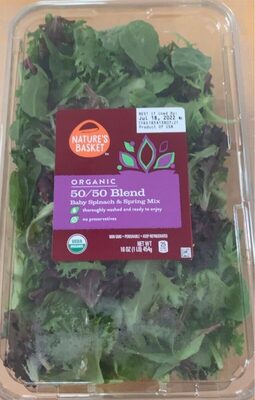
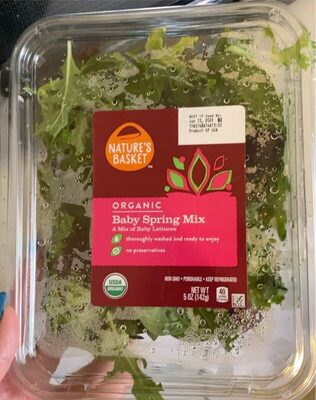
Foods that contain Organic Green Romaine
Compare products →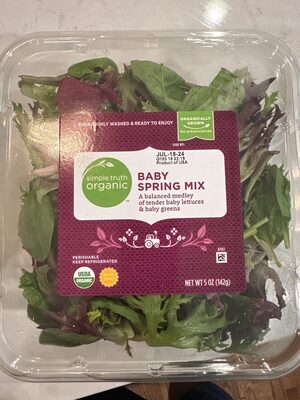
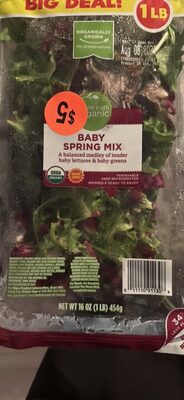
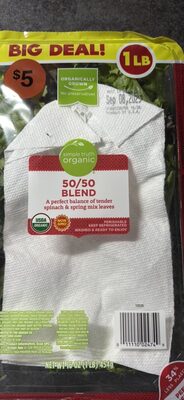
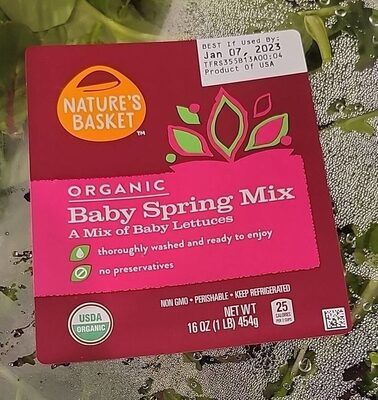
Auto-generated content. This description was generated automatically and is pending editorial review. Inaccuracies are possible. Found a mistake? Contact us.