Organic Hibiscus Flavor
What is Organic Hibiscus Flavor?
Organic hibiscus flavor is derived from the dried calyces (sepals) of the hibiscus sabdariffa flower, a plant native to Africa. The flavor is extracted using solvents, and then purified and concentrated to create a liquid or powder flavoring.
Is Organic Hibiscus Flavor vegan?
Organic Hibiscus Flavor is not animal-derived. Products that contain it can still include other animal-derived ingredients, so check the full ingredient list.
Is Organic Hibiscus Flavor gluten-free?
Hibiscus is a plant and does not contain gluten.
Is Organic Hibiscus Flavor a major allergen?
Not a major allergen.
What is Organic Hibiscus Flavor used for?
Manufacturers add hibiscus flavor to provide a tart, fruity taste reminiscent of cranberries or cherries.
Is Organic Hibiscus Flavor safe?
Hibiscus extract is generally recognized as safe (GRAS) by the FDA for use as a flavoring.
Why it's used
Manufacturers add hibiscus flavor to provide a tart, fruity taste reminiscent of cranberries or cherries. It is commonly used in beverages like teas, kombucha, juices, and flavored waters, as well as in some desserts and candies.
Health notes
Hibiscus extract is generally recognized as safe (GRAS) by the FDA for use as a flavoring. It is known for its antioxidant properties due to high levels of anthocyanins, which give it a red color. Some studies suggest potential benefits for blood pressure, but more research is needed. JECFA has evaluated hibiscus and established specifications for its use.
Allergen info
Not a major allergen. Hibiscus is a plant and does not contain gluten.
Foods that contain Organic Hibiscus Flavor
Compare products →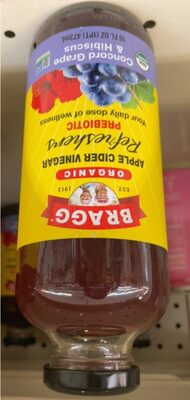 Live Food Products Inc.
Concord Grape & Hibiscus Organic Apple Cider Vinegar Refreshers, Concord Grape & Hibiscus
8kcal
0Protein
0Fat
2.1Carbs
The Kroger Co.
Kombucha
17kcal
0Protein
0Fat
4.6Carbs
Lake State Beverage Inc.
Blueberry Hibiscus Kombucha, Blueberry Hibiscus
10kcal
0Protein
0.4Fat
1.4Carbs
Petal Beverage, LLC
Passionfruit Hibiscus Ginger Ale, Passionfruit Hibiscus
High in added sugars — 20% DV per serving
14kcal
0Protein
0Fat
2.8Carbs
Live Food Products Inc.
Concord Grape & Hibiscus Organic Apple Cider Vinegar Refreshers, Concord Grape & Hibiscus
8kcal
0Protein
0Fat
2.1Carbs
The Kroger Co.
Kombucha
17kcal
0Protein
0Fat
4.6Carbs
Lake State Beverage Inc.
Blueberry Hibiscus Kombucha, Blueberry Hibiscus
10kcal
0Protein
0.4Fat
1.4Carbs
Petal Beverage, LLC
Passionfruit Hibiscus Ginger Ale, Passionfruit Hibiscus
High in added sugars — 20% DV per serving
14kcal
0Protein
0Fat
2.8Carbs
Learn more
Auto-generated content. This description was generated automatically and is pending editorial review. Inaccuracies are possible. Found a mistake? Contact us.