Organic Hibiscus Powder
What is Organic Hibiscus Powder?
Hibiscus powder is made from dried, ground petals of the hibiscus flower, a plant native to tropical regions. The flowers are harvested, dried, and then finely milled into a powder. This process preserves the flower's vibrant color and tart flavor.
Is Organic Hibiscus Powder vegan?
Organic Hibiscus Powder is not animal-derived. Products that contain it can still include other animal-derived ingredients, so check the full ingredient list.
Is Organic Hibiscus Powder gluten-free?
Hibiscus is a plant and does not contain gluten.
Is Organic Hibiscus Powder a major allergen?
Not a major allergen.
What is Organic Hibiscus Powder used for?
Hibiscus powder is primarily used for its natural deep red color and tart, cranberry-like flavor.
Is Organic Hibiscus Powder safe?
Hibiscus powder is generally recognized as safe (GRAS) by the FDA for use in food.
Why it's used
Hibiscus powder is primarily used for its natural deep red color and tart, cranberry-like flavor. Manufacturers add it to beverages like teas and juices, as well as to snacks and baked goods, to impart a fruity taste and attractive hue. It can also act as a natural food coloring.
Health notes
Hibiscus powder is generally recognized as safe (GRAS) by the FDA for use in food. It is a natural plant-based ingredient with no specific regulatory limits set by bodies like JECFA or EFSA. Some studies suggest potential benefits for blood pressure, but more research is needed, and it should not be considered a treatment. Evidence is mixed and not conclusive for significant health benefits at typical dietary intake levels.
Allergen info
Not a major allergen. Hibiscus is a plant and does not contain gluten.
Foods that contain Organic Hibiscus Powder
Compare products →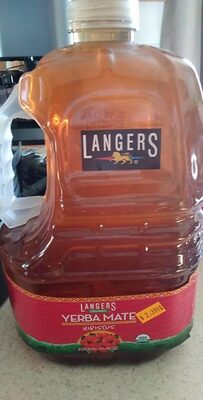 Langer Juice Company, Inc.
Hibiscus Yerba Mate, Hibiscus
17kcal
0Protein
0Fat
4.2Carbs
Langer Juice Company, Inc.
Hibiscus Yerba Mate, Hibiscus
17kcal
0Protein
0Fat
4.2Carbs
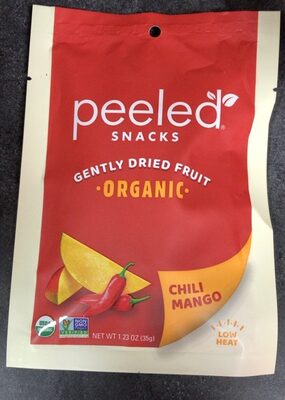 Peeled Inc
Organic Chili Mango, Chili Mango
314kcal
5.7Protein
0Fat
71.4Carbs
Peeled Inc
Gently Dried Organic Chili Mango
325kcal
5Protein
0Fat
72.5Carbs
Peeled Inc
Organic Chili Mango Gently Dried Fruit, Chili Mango
314kcal
5.7Protein
0Fat
71.4Carbs
Peeled Inc
Organic Chili Mango, Chili Mango
314kcal
5.7Protein
0Fat
71.4Carbs
Peeled Inc
Gently Dried Organic Chili Mango
325kcal
5Protein
0Fat
72.5Carbs
Peeled Inc
Organic Chili Mango Gently Dried Fruit, Chili Mango
314kcal
5.7Protein
0Fat
71.4Carbs
Auto-generated content. This description was generated automatically and is pending editorial review. Inaccuracies are possible. Found a mistake? Contact us.