Organic Lemon Balm
Auto-generated content. This description was generated automatically and is pending editorial review. Inaccuracies are possible. Found a mistake? Contact us.
What it is
Lemon balm is a perennial herb in the mint family, native to southern Europe and the Mediterranean region. It is cultivated for its fragrant leaves, which have a mild lemon scent and flavor. The leaves are typically harvested when the plant is in bloom and can be used fresh or dried.
Why it's used
Lemon balm is primarily used as a flavoring agent in foods and beverages, imparting a subtle citrusy and minty note. It is commonly found in herbal teas, flavored waters, iced teas, and some baked goods. It is also used in some alcoholic beverages and confectionery.
Health notes
In the US, lemon balm is generally recognized as safe (GRAS) by the FDA for use as a flavoring. It has been traditionally used in herbal remedies for its calming properties, though scientific evidence for these effects in humans is limited and mixed. The European Food Safety Authority (EFSA) has also evaluated lemon balm and found it safe when used as a flavoring. Regulatory bodies have not established specific upper intake limits for its use as a food ingredient.
Allergen info
Lemon balm is not derived from any of the nine FDA major allergens. It does not contain gluten.
Products containing Organic Lemon Balm
Compare products →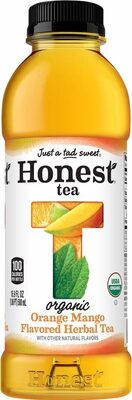 HONEST
Herbal Tea
20kcal
0Protein
0Fat
5Carbs
Arizona Chile Pepper Co.
Latta, Kombucha Naturally Carbonated Tea, Green Tea Lemon Balm, Green Tea Lemon Balm
18kcal
0.4Protein
0Fat
2.9Carbs
HONEST
Herbal Tea
20kcal
0Protein
0Fat
5Carbs
Arizona Chile Pepper Co.
Latta, Kombucha Naturally Carbonated Tea, Green Tea Lemon Balm, Green Tea Lemon Balm
18kcal
0.4Protein
0Fat
2.9Carbs
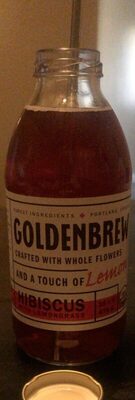 Dundee Brandied Fruit Company
Tea, Hibiscus With Lemon Grass
0kcal
0Protein
0Fat
0Carbs
Laser Byte Corporation
Bitters Tonic No 3, Lemon & Ginger
136kcal
0Protein
0Fat
13.6Carbs
B-Tea Beverage, LLC
Green Tea Clarity Kombucha, Lemon Balm
15kcal
0.4Protein
0Fat
3.8Carbs
Black Art Gear
Raw & Organic Kombucha, Green Tea Lemon Balm
18kcal
0.4Protein
0Fat
2.9Carbs
Sjaak's Organic Chocolates
Chai Spice-Infused Dark Chocolate
429kcal
0Protein
42.9Fat
28.6Carbs
The Coca-Cola Company
Orange Mango Flavored Organic Just A Tad Sweet Herbal Tea, Orange Mango
20kcal
0Protein
0Fat
5Carbs
Brew Dr. Kombucha
Organic Mint Lemonade Spearmint, Peppermint, Lemons + Green Tea, Mint Lemonade
14kcal
0Protein
0Fat
3.4Carbs
Buddha Teas
Divine Immunity Blend Organic Herbal Tea Bags, Divine Immunity Blend
0kcal
0Protein
0Fat
0Carbs
Dundee Brandied Fruit Company
Tea, Hibiscus With Lemon Grass
0kcal
0Protein
0Fat
0Carbs
Laser Byte Corporation
Bitters Tonic No 3, Lemon & Ginger
136kcal
0Protein
0Fat
13.6Carbs
B-Tea Beverage, LLC
Green Tea Clarity Kombucha, Lemon Balm
15kcal
0.4Protein
0Fat
3.8Carbs
Black Art Gear
Raw & Organic Kombucha, Green Tea Lemon Balm
18kcal
0.4Protein
0Fat
2.9Carbs
Sjaak's Organic Chocolates
Chai Spice-Infused Dark Chocolate
429kcal
0Protein
42.9Fat
28.6Carbs
The Coca-Cola Company
Orange Mango Flavored Organic Just A Tad Sweet Herbal Tea, Orange Mango
20kcal
0Protein
0Fat
5Carbs
Brew Dr. Kombucha
Organic Mint Lemonade Spearmint, Peppermint, Lemons + Green Tea, Mint Lemonade
14kcal
0Protein
0Fat
3.4Carbs
Buddha Teas
Divine Immunity Blend Organic Herbal Tea Bags, Divine Immunity Blend
0kcal
0Protein
0Fat
0Carbs
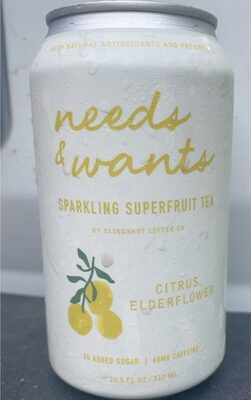 Urban Roads INC
Citrus Elderflower Sparkling Superfruit Tea, Citrus Elderflower
10kcal
0Protein
0Fat
1.9Carbs
American Game Cartridges Inc.
Upstart Kombucha, Kombucha, Lemon Ginger, Lemon Ginger
17kcal
0Protein
0Fat
4.2Carbs
Urban Roads INC
Citrus Elderflower Sparkling Superfruit Tea, Citrus Elderflower
10kcal
0Protein
0Fat
1.9Carbs
American Game Cartridges Inc.
Upstart Kombucha, Kombucha, Lemon Ginger, Lemon Ginger
17kcal
0Protein
0Fat
4.2Carbs