Organic Licorice Root
What is Organic Licorice Root?
Licorice root comes from the perennial herb Glycyrrhiza glabra, native to Southern Europe and parts of Asia. The root is dried and can be used whole, chopped, or powdered. It has a distinct sweet flavor, much sweeter than sugar.
Is Organic Licorice Root vegan?
Organic Licorice Root is not animal-derived. Products that contain it can still include other animal-derived ingredients, so check the full ingredient list.
Is Organic Licorice Root gluten-free?
It does not contain gluten.
Is Organic Licorice Root a major allergen?
Licorice root is not one of the nine major allergens recognized by the FDA.
What is Organic Licorice Root used for?
Licorice root is primarily used as a flavoring agent, adding its characteristic sweet and slightly bitter taste to foods and beverages.
Is Organic Licorice Root safe?
In the U.S., licorice root is generally recognized as safe (GRAS) by the FDA when used as a food ingredient.
Why it's used
Licorice root is primarily used as a flavoring agent, adding its characteristic sweet and slightly bitter taste to foods and beverages. It is commonly found in teas, candies, and some baked goods. It can also act as a natural sweetener.
Health notes
In the U.S., licorice root is generally recognized as safe (GRAS) by the FDA when used as a food ingredient. However, the active compound glycyrrhizin, found in the root, can cause side effects like increased blood pressure and decreased potassium levels when consumed in large amounts over extended periods. Regulatory bodies like EFSA have evaluated licorice and its constituents. Due to potential health effects from excessive consumption, moderation is advised.
Allergen info
Licorice root is not one of the nine major allergens recognized by the FDA. It does not contain gluten.
Foods that contain Organic Licorice Root
Compare products →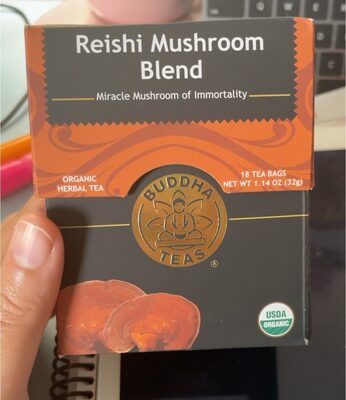
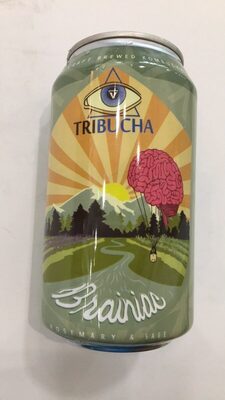
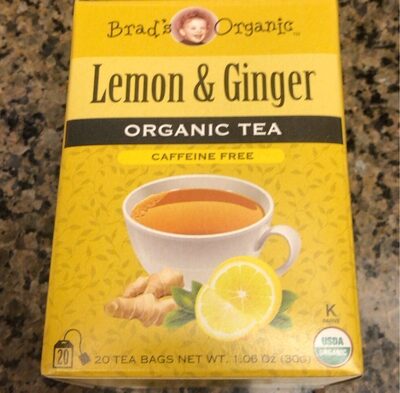
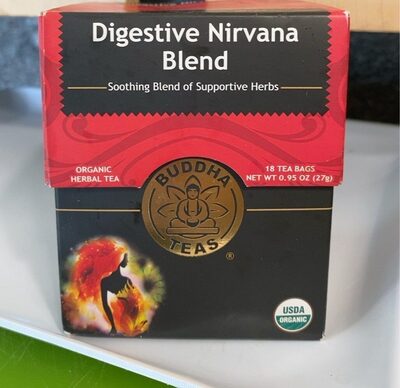
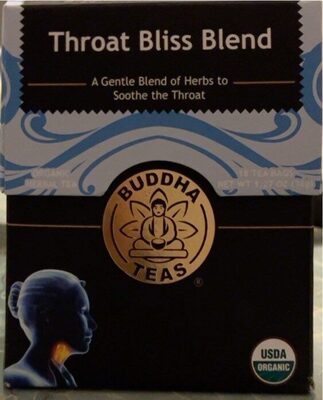
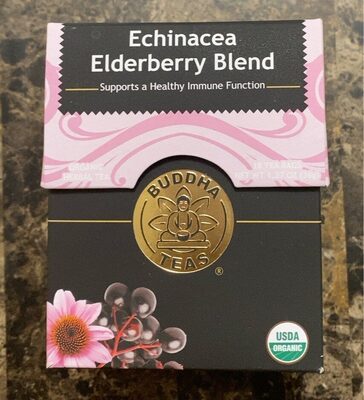
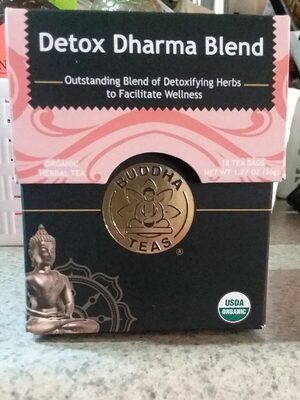
Learn more
Auto-generated content. This description was generated automatically and is pending editorial review. Inaccuracies are possible. Found a mistake? Contact us.