Organic Mango Pulp
Auto-generated content. This description was generated automatically and is pending editorial review. Inaccuracies are possible. Found a mistake? Contact us.
What it is
Organic mango pulp is a smooth, thick liquid made from ripe, organic mangoes. It is produced by pureeing the flesh of the fruit, often after it has been cooked or processed to ensure stability and flavor. The 'organic' designation means it is made from mangoes grown without synthetic pesticides or fertilizers.
Why it's used
Manufacturers use organic mango pulp primarily to add a distinct sweet and tangy fruit flavor and a smooth texture to foods. It can also contribute natural color. It is commonly found in fruit leathers, sauces, baked goods, and dessert toppings.
Health notes
Organic mango pulp is generally recognized as safe (GRAS) by the FDA when used as a food ingredient. It is a source of vitamins and fiber naturally found in mangoes. The Joint FAO/WHO Expert Committee on Food Additives (JECFA) and the European Food Safety Authority (EFSA) have evaluated mango and its derivatives, generally finding them safe for consumption. No significant health controversies are associated with its typical use in food.
Allergen info
Mango is not one of the nine major allergens recognized by the FDA. It does not contain gluten.
Products containing Organic Mango Pulp
Compare products →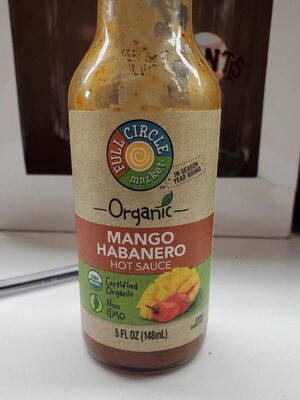 Topco Associates, Inc.
Mango Habanero Hot Sauce, Mango Habanero
100kcal
0Protein
0Fat
20Carbs
Youlovefruit Inc.
You Love Fruit, Handmade Fruit Leather, Mango Coconut, Mango Coconut
357kcal
7.1Protein
7.1Fat
64.3Carbs
Youlovefruit Inc.
Handmade Fruit Leather, Tart Peach
321kcal
7.1Protein
0Fat
71.4Carbs
Topco Associates, Inc.
Mango Habanero Hot Sauce, Mango Habanero
100kcal
0Protein
0Fat
20Carbs
Youlovefruit Inc.
You Love Fruit, Handmade Fruit Leather, Mango Coconut, Mango Coconut
357kcal
7.1Protein
7.1Fat
64.3Carbs
Youlovefruit Inc.
Handmade Fruit Leather, Tart Peach
321kcal
7.1Protein
0Fat
71.4Carbs
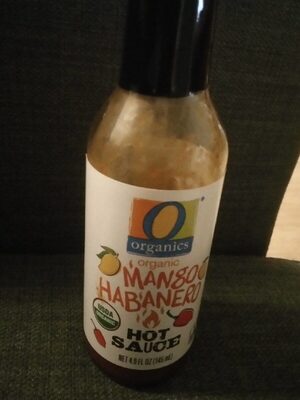 Glencourt Inc.
Mango Habanero, Hot Sauce
100kcal
0Protein
0Fat
20Carbs
Youlovefruit Inc.
Handmade Veggie Leather, Carrot & Chia Seed
321kcal
7.1Protein
0Fat
71.4Carbs
Youlovefruit Inc.
You Love Fruit, Passion Fruit Punch
321kcal
7.1Protein
0Fat
71.4Carbs
Youlovefruit Inc.
Handmade Fruit Leather, Key Lime
321kcal
7.1Protein
0Fat
71.4Carbs
Edward & Sons Trading Co., Inc
100% Organic Mango Chunks In Organic Mango Juice, Mango
45kcal
0.8Protein
0Fat
10.5Carbs
Glencourt Inc.
Mango Habanero, Hot Sauce
100kcal
0Protein
0Fat
20Carbs
Youlovefruit Inc.
Handmade Veggie Leather, Carrot & Chia Seed
321kcal
7.1Protein
0Fat
71.4Carbs
Youlovefruit Inc.
You Love Fruit, Passion Fruit Punch
321kcal
7.1Protein
0Fat
71.4Carbs
Youlovefruit Inc.
Handmade Fruit Leather, Key Lime
321kcal
7.1Protein
0Fat
71.4Carbs
Edward & Sons Trading Co., Inc
100% Organic Mango Chunks In Organic Mango Juice, Mango
45kcal
0.8Protein
0Fat
10.5Carbs