Organic Pitaya Puree
What is Organic Pitaya Puree?
Pitaya puree is made from the fruit of several cactus species, commonly known as dragon fruit. The fruit has a vibrant pink or red skin and flesh, often with small black seeds. The puree is created by processing the fruit pulp to achieve a smooth consistency.
Is Organic Pitaya Puree vegan?
Organic Pitaya Puree is not animal-derived. Products that contain it can still include other animal-derived ingredients, so check the full ingredient list.
Is Organic Pitaya Puree gluten-free?
Pitaya is a fruit and does not contain gluten.
Is Organic Pitaya Puree a major allergen?
Not a major allergen.
What is Organic Pitaya Puree used for?
Manufacturers use pitaya puree primarily for its vibrant natural color and mild, slightly sweet flavor.
Is Organic Pitaya Puree safe?
Pitaya puree is generally recognized as safe (GRAS) by the FDA when used as a food ingredient.
Why it's used
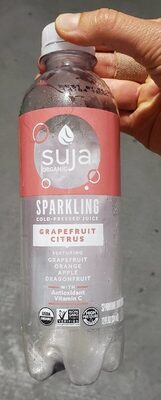
Manufacturers use pitaya puree primarily for its vibrant natural color and mild, slightly sweet flavor. It adds visual appeal and a subtle fruity taste to beverages like juices and nectars, as well as other fruit-based products. It can also contribute to the texture of these items.
Health notes
Pitaya puree is generally recognized as safe (GRAS) by the FDA when used as a food ingredient. It is a source of fiber, vitamin C, and antioxidants. JECFA and EFSA have evaluated pitaya and its components, generally finding them safe for consumption. No specific health concerns are typically associated with its consumption at levels found in food.
Allergen info
Not a major allergen. Pitaya is a fruit and does not contain gluten.
Foods that contain Organic Pitaya Puree
Compare products →

Auto-generated content. This description was generated automatically and is pending editorial review. Inaccuracies are possible. Found a mistake? Contact us.