Organic Tulsi
Auto-generated content. This description was generated automatically and is pending editorial review. Inaccuracies are possible. Found a mistake? Contact us.
What it is
Organic Tulsi, also known as Holy Basil, is an herb native to the Indian subcontinent. It is a member of the basil family and is cultivated for its aromatic leaves and medicinal properties. The leaves are typically dried and sometimes ground for use in food products.
Why it's used
Tulsi is primarily used as a flavoring agent in beverages, particularly teas and kombucha, due to its distinct aroma and taste. It can impart a slightly spicy, peppery, and minty flavor profile. Manufacturers use it to add a unique herbal note to their products.
Health notes
Tulsi is generally recognized as safe (GRAS) by the FDA for use as a food ingredient. While traditional medicine uses tulsi for various health benefits, scientific evidence in humans is limited. Regulatory bodies like EFSA have not established specific limits for tulsi as a food additive. Research into its effects is ongoing, with some studies suggesting antioxidant and anti-inflammatory properties, but more robust clinical trials are needed.
Allergen info
Tulsi is not derived from any of the 9 FDA major allergens. It does not contain gluten.
Products containing Organic Tulsi
Compare products →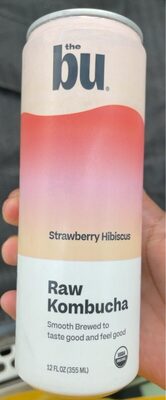 Makana Beverages Inc
Strawberry Hibiscus Raw Kombucha, Strawberry Hibiscus
11kcal
0Protein
0Fat
2.8Carbs
Makana Beverages Inc
Strawberry Hibiscus Raw Kombucha, Strawberry Hibiscus
11kcal
0Protein
0Fat
2.8Carbs
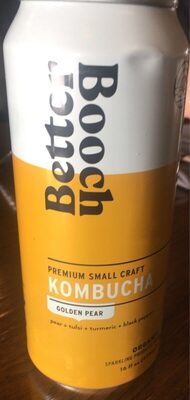 Better Booch
Golden Pear Premium Kombucha, Golden Pear
High in added sugars — 20% DV per serving
13kcal
0Protein
0Fat
3.0Carbs
KT ELEMENT, LLC dba Element Kombucha
Mind + Balance Kombucha, Mind + Balance
14kcal
0Protein
0Fat
2.1Carbs
Better Booch
Golden Pear Premium Kombucha, Golden Pear
High in added sugars — 20% DV per serving
13kcal
0Protein
0Fat
3.0Carbs
KT ELEMENT, LLC dba Element Kombucha
Mind + Balance Kombucha, Mind + Balance
14kcal
0Protein
0Fat
2.1Carbs
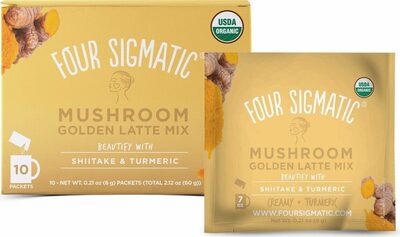 Four Sigma Foods Inc.
Golden Defend Latte Mix With Turkey Tail, Golden With Turkey Tail
583kcal
16.7Protein
41.7Fat
50Carbs
Four Sigma Foods Inc.
Golden Defend Latte Mix With Turkey Tail, Golden With Turkey Tail
583kcal
16.7Protein
41.7Fat
50Carbs
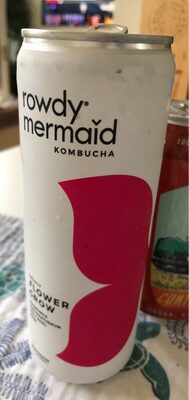 Rowdy Mermaid Kombucha, Inc.
Balance Flower Grow Decaffeinated Kombucha, Flower Grow
13kcal
0Protein
0Fat
2.5Carbs
Rowdy Mermaid Kombucha, Inc.
Balance Flower Grow Decaffeinated Kombucha, Flower Grow
13kcal
0Protein
0Fat
2.5Carbs
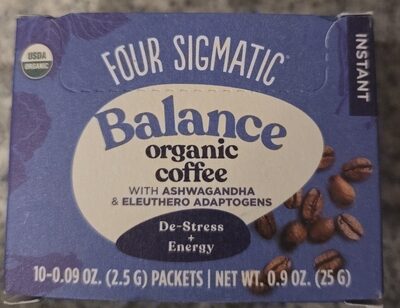 Four Sigma Foods Inc.
Balance Adaptogen Coffee Mix With Ashwagandha, Balance
0kcal
0Protein
0Fat
0Carbs
Better Booch
Golden Pear Organic Kombucha Sparkling Probiotic Tea, Golden Pear
13kcal
0Protein
0Fat
3.1Carbs
Four Sigma Foods Inc.
Balance Adaptogen Coffee Mix With Ashwagandha, Balance
0kcal
0Protein
0Fat
0Carbs
Better Booch
Golden Pear Organic Kombucha Sparkling Probiotic Tea, Golden Pear
13kcal
0Protein
0Fat
3.1Carbs