Organic Whole Tomatoes
Auto-generated content. This description was generated automatically and is pending editorial review. Inaccuracies are possible. Found a mistake? Contact us.
What it is
Organic whole tomatoes are tomatoes grown without the use of synthetic pesticides, herbicides, or fertilizers, following USDA organic standards. They are typically harvested at peak ripeness and processed to retain their whole form, often canned or jarred.
Why it's used
Manufacturers use whole tomatoes as a base ingredient for sauces, soups, and stews, providing a rich tomato flavor and texture. They are a staple in Italian-American cuisine, appearing in products like marinara sauce, pizza sauce, and canned diced tomatoes.
Health notes
Tomatoes are a good source of vitamins, minerals, and antioxidants like lycopene. The U.S. Food and Drug Administration (FDA) considers tomatoes to be Generally Recognized As Safe (GRAS). International bodies like the European Food Safety Authority (EFSA) and the Joint FAO/WHO Expert Committee on Food Additives (JECFA) have evaluated tomatoes and their components, finding them safe for consumption. Typical intake levels are associated with general health benefits attributed to a diet rich in fruits and vegetables.
Allergen info
Tomatoes are not one of the nine major allergens designated by the FDA. They do not contain gluten.
Products containing Organic Whole Tomatoes
Compare products →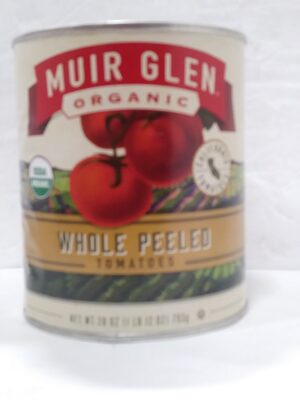 GENERAL MILLS SALES INC.
Muir Glen Organic Whole Peeled Canned Tomatoes
25kcal
0.8Protein
0Fat
4.9Carbs
GENERAL MILLS SALES INC.
Muir Glen Organic Whole Peeled Canned Tomatoes
25kcal
0.8Protein
0Fat
4.9Carbs