Palm And Palm Olein
Auto-generated content. This description was generated automatically and is pending editorial review. Inaccuracies are possible. Found a mistake? Contact us.
What it is
Palm oil is an edible vegetable oil that comes from the fruit of oil palm trees. Palm olein is a liquid fraction obtained from palm oil after a process called fractionation, which separates the oil into liquid and solid parts. Both are widely used in food products.
Why it's used
Manufacturers use palm oil and palm olein for their functional properties, such as providing texture, stability, and a long shelf life. They are often used in baked goods, snacks, and fried foods due to their semi-solid consistency at room temperature and resistance to oxidation.
Health notes
Palm oil and palm olein are generally recognized as safe (GRAS) by the FDA for use in food. They are high in saturated fat, which the 2025-2030 Dietary Guidelines for Americans recommend limiting to less than 10% of daily calories. JECFA (the Joint FAO/WHO Expert Committee on Food Additives) and EFSA (the European Food Safety Authority) have evaluated fats and oils in general dietary contexts, but do not set ADIs for primary fats like palm oil. There are ongoing discussions about the environmental impact of palm oil production, but these are distinct from its direct health effects when consumed.
Allergen info
Not a major allergen.
Products containing Palm And Palm Olein
Compare products →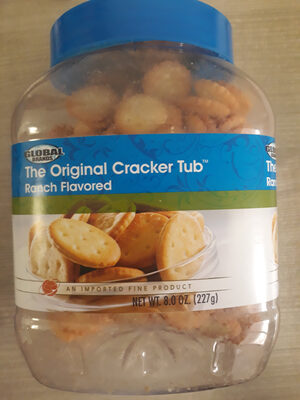 Dollar Only Wholesale, LLC
Global Brands, The Original Cracker Tub, Ranch, Ranch
467kcal
6.7Protein
16.7Fat
66.7Carbs
Dollar Only Wholesale, LLC
Crackers
500kcal
7.1Protein
25Fat
64.3Carbs
Dollar Only Wholesale, LLC
Snak Time Stack Pack Crackers
500kcal
7.1Protein
25Fat
64.3Carbs
Dollar Only Wholesale, LLC
Global Brands, The Original Cracker Tub, Ranch, Ranch
467kcal
6.7Protein
16.7Fat
66.7Carbs
Dollar Only Wholesale, LLC
Crackers
500kcal
7.1Protein
25Fat
64.3Carbs
Dollar Only Wholesale, LLC
Snak Time Stack Pack Crackers
500kcal
7.1Protein
25Fat
64.3Carbs
 Dollar Only Wholesale, LLC
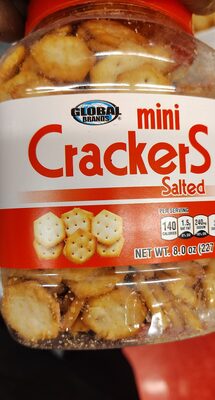
Global Brands, The Original Cracker Tub, Salted, Salted
467kcal
6.7Protein
16.7Fat
70Carbs
Dollar Only Wholesale, LLC
Global Brands, The Original Cracker Tub, Salted, Salted
467kcal
6.7Protein
16.7Fat
70Carbs