Wheat Flour
What is Wheat Flour?
Wheat flour is a fine powder made by grinding wheat grains. It is a staple food ingredient used worldwide.
Is Wheat Flour vegan?
Wheat Flour is not animal-derived. Products that contain it can still include other animal-derived ingredients, so check the full ingredient list.
Is Wheat Flour gluten-free?
It contains gluten, which can cause reactions in individuals with celiac disease or gluten sensitivity.
Is Wheat Flour a major allergen?
Wheat is one of the nine major food allergens identified by the FDA.
What is Wheat Flour used for?
Manufacturers use wheat flour as a primary ingredient in many baked goods like bread, cakes, and cookies.
Is Wheat Flour safe?
Wheat flour is generally recognized as safe when consumed as part of a typical diet.
Why it's used
Manufacturers use wheat flour as a primary ingredient in many baked goods like bread, cakes, and cookies. It also serves as a thickener in sauces and gravies, and as a binder in processed foods.
Health notes
Wheat flour is generally recognized as safe when consumed as part of a typical diet. It is not regulated as a food additive by the FDA. The main health consideration for wheat flour is its gluten content, which can cause adverse reactions in individuals with celiac disease or non-celiac gluten sensitivity. JECFA and EFSA do not typically evaluate staple food ingredients like wheat flour as food additives.
Allergen info
Wheat is one of the nine major food allergens identified by the FDA. It contains gluten, which can cause reactions in individuals with celiac disease or gluten sensitivity.
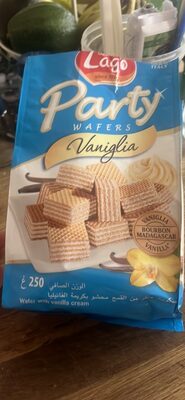
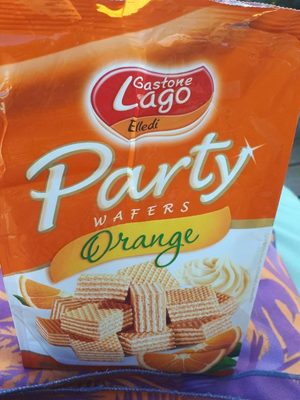
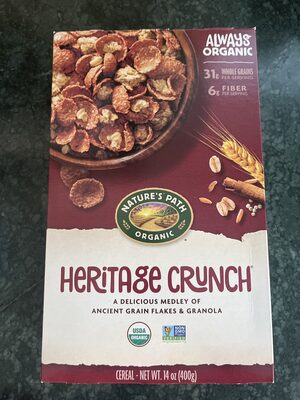
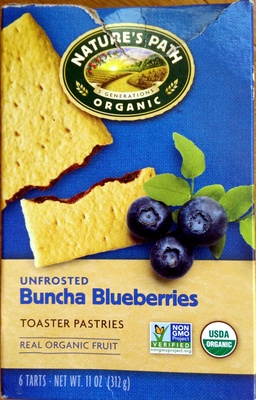
Foods that contain Wheat Flour
Compare products →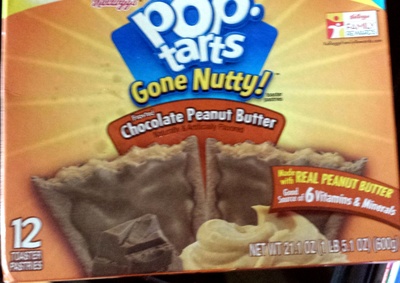 Kellogg Company US
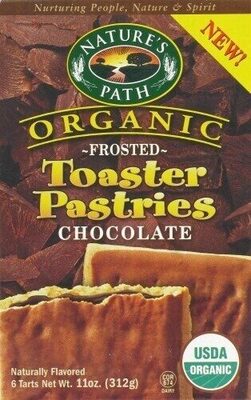
Kellogg Pop-Tarts Chocolate Peanut Butter 21.1Oz
—kcal
4.8Protein
10Fat
72.3Carbs

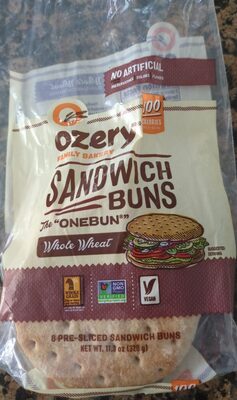
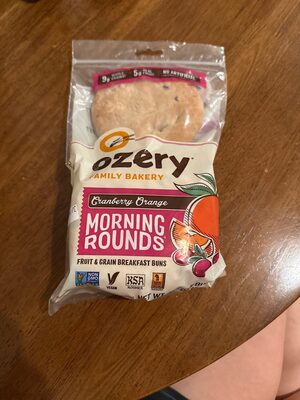
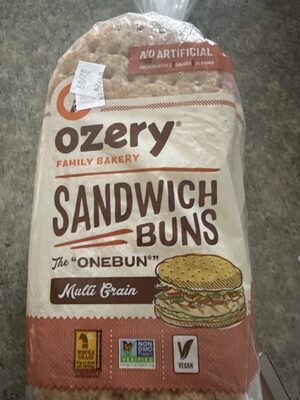

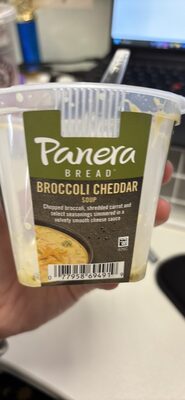


Learn more
Auto-generated content. This description was generated automatically and is pending editorial review. Inaccuracies are possible. Found a mistake? Contact us.