Parsley Flake
What is Parsley Flake?
Parsley flakes are dried leaves of the parsley plant (Petroselinum crispum). Parsley is a herb native to the Mediterranean region, cultivated worldwide for its leaves and seeds. The leaves are harvested, dried, and often cut into flakes for use as a culinary herb.
Is Parsley Flake vegan?
Parsley Flake is not animal-derived. Products that contain it can still include other animal-derived ingredients, so check the full ingredient list.
Is Parsley Flake gluten-free?
It does not contain gluten.
Is Parsley Flake a major allergen?
Parsley is not one of the nine FDA major allergens.
What is Parsley Flake used for?
Parsley flakes are primarily used as a flavoring and for visual appeal in foods.
Is Parsley Flake safe?
Parsley is generally recognized as safe (GRAS) by the FDA for use as a food ingredient.
Why it's used
Parsley flakes are primarily used as a flavoring and for visual appeal in foods. Their mild, fresh, slightly peppery taste enhances savory dishes. They are commonly found in seasonings, spice blends, soups, sauces, and as a garnish for fish, poultry, and vegetable dishes.
Health notes
Parsley is generally recognized as safe (GRAS) by the FDA for use as a food ingredient. It is a source of vitamins and antioxidants. International bodies like JECFA have evaluated parsley and its components, but no specific numeric limits are set for general consumption. Evidence does not suggest adverse health effects from typical dietary intake.
Allergen info
Parsley is not one of the nine FDA major allergens. It does not contain gluten.
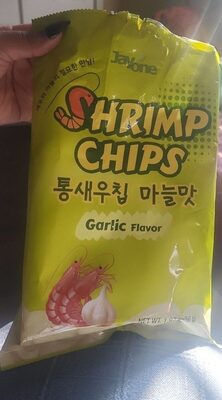
Foods that contain Parsley Flake
Compare products →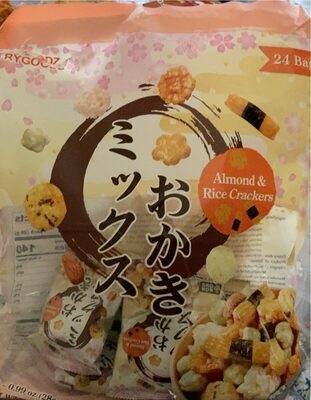
Learn more
Auto-generated content. This description was generated automatically and is pending editorial review. Inaccuracies are possible. Found a mistake? Contact us.