Pasture Raised
Auto-generated content. This description was generated automatically and is pending editorial review. Inaccuracies are possible. Found a mistake? Contact us.
What it is
This term indicates that animals, typically chickens or cows, spent a significant portion of their lives outdoors grazing on pasture. This contrasts with confinement farming, where animals are kept indoors for most or all of their lives. The specific amount of time spent on pasture can vary by producer.
Why it's used
This term is primarily used as a marketing claim on food products, especially dairy and eggs, to appeal to consumers seeking products from animals raised in more natural conditions. It suggests a higher quality or more ethical production method.
Health notes
The term 'pasture-raised' is not a regulated claim by the FDA, meaning there are no specific standards for its use. While some studies suggest potential differences in the nutritional profile of products from pasture-raised animals (e.g., higher omega-3 fatty acids in eggs or milk), these findings are not universally conclusive. The FDA does not set Acceptable Daily Intakes (ADIs) for such marketing terms.
Allergen info
This term itself does not refer to a specific ingredient and is therefore not an allergen. However, products labeled 'pasture-raised' (like eggs or milk) may be derived from major allergens.
Products containing Pasture Raised
Compare products →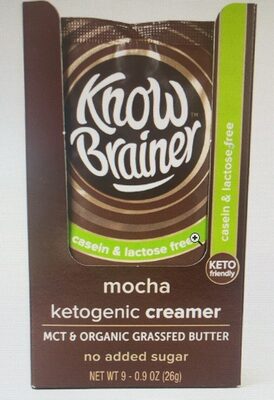 Know Brainer Foods LLC
The Thinker's Creamer, Mocha
High in saturated fat — 90% DV per serving
769kcal
3.9Protein
80.8Fat
3.9Carbs
Know Brainer Foods LLC
Mct & Organic Grassfed Butter Creamer, Hazelnut
High in saturated fat — 80% DV per serving
594kcal
3.1Protein
56.2Fat
12.5Carbs
Know Brainer Foods LLC
Original The Thinker's Creamer, Original
High in saturated fat — 80% DV per serving
714kcal
10.7Protein
67.9Fat
14.3Carbs
Know Brainer Foods LLC
Mct & Organic Grassfed Butter Creamer, French Vanilla
High in saturated fat — 80% DV per serving
667kcal
10Protein
63.3Fat
13.3Carbs
Know Brainer Foods LLC
The Thinker's Creamer, Mocha
High in saturated fat — 90% DV per serving
769kcal
3.9Protein
80.8Fat
3.9Carbs
Know Brainer Foods LLC
Mct & Organic Grassfed Butter Creamer, Hazelnut
High in saturated fat — 80% DV per serving
594kcal
3.1Protein
56.2Fat
12.5Carbs
Know Brainer Foods LLC
Original The Thinker's Creamer, Original
High in saturated fat — 80% DV per serving
714kcal
10.7Protein
67.9Fat
14.3Carbs
Know Brainer Foods LLC
Mct & Organic Grassfed Butter Creamer, French Vanilla
High in saturated fat — 80% DV per serving
667kcal
10Protein
63.3Fat
13.3Carbs
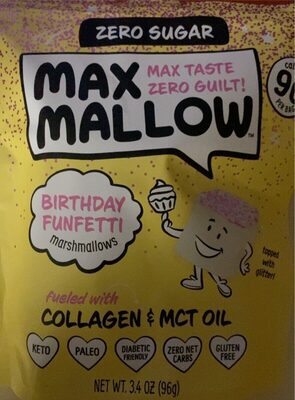 Know Brainer Foods LLC
The Thinker's Creamer Mct & Organic Grassfed Butter, Mocha
High in saturated fat — 80% DV per serving
594kcal
3.1Protein
56.2Fat
12.5Carbs
Know Brainer Foods LLC
The Thinker's Creamer, Hazelnut
High in saturated fat — 90% DV per serving
769kcal
3.9Protein
80.8Fat
3.9Carbs
Know Brainer Foods LLC
The Thinker's Creamer Mct & Organic Grassfed Butter, Mocha
High in saturated fat — 80% DV per serving
594kcal
3.1Protein
56.2Fat
12.5Carbs
Know Brainer Foods LLC
The Thinker's Creamer, Hazelnut
High in saturated fat — 90% DV per serving
769kcal
3.9Protein
80.8Fat
3.9Carbs