Pepper Puree
What is Pepper Puree?
Pepper puree is made from ground peppers, often roasted or cooked to soften them and bring out their flavor. Depending on the type of pepper used, it can range from mild to very spicy. It is commonly made from bell peppers, chili peppers, or specific varieties like aji amarillo.
Is Pepper Puree vegan?
Pepper Puree is not animal-derived. Products that contain it can still include other animal-derived ingredients, so check the full ingredient list.
Is Pepper Puree gluten-free?
Pepper puree is not derived from any of the nine FDA major allergens and does not contain gluten.
What is Pepper Puree used for?
Manufacturers use pepper puree to add a distinct pepper flavor and color to foods.
Is Pepper Puree safe?
Pepper puree is generally recognized as safe (GRAS) by the FDA when used as a food ingredient.
Why it's used
Manufacturers use pepper puree to add a distinct pepper flavor and color to foods. It can also contribute to the texture and moisture content of products. It is frequently found in sauces, marinades, spice blends, and prepared meals.
Health notes
Pepper puree is generally recognized as safe (GRAS) by the FDA when used as a food ingredient. It is a source of vitamins and antioxidants, particularly Vitamin C and capsaicin (in spicy varieties). The Joint FAO/WHO Expert Committee on Food Additives (JECFA) has evaluated capsaicinoids, the compounds responsible for the heat in peppers, and has not set a numeric limit (ADI not specified). Evidence does not suggest adverse health effects from typical dietary intake.
Allergen info
Pepper puree is not derived from any of the nine FDA major allergens and does not contain gluten.
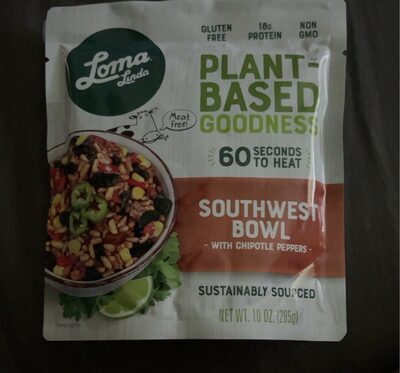
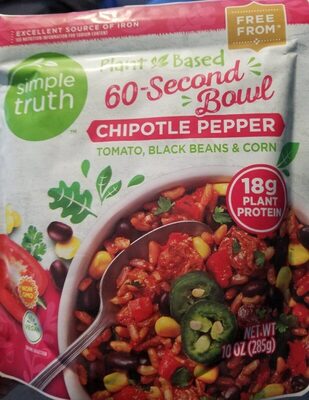
Foods that contain Pepper Puree
Compare products →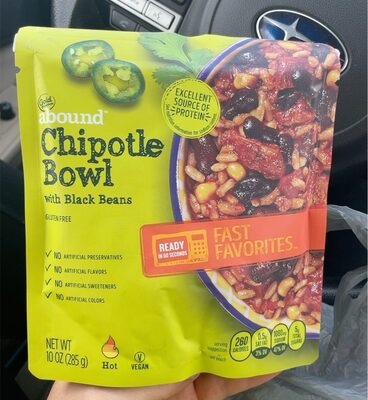
Auto-generated content. This description was generated automatically and is pending editorial review. Inaccuracies are possible. Found a mistake? Contact us.