Piloncillo
What is Piloncillo?
Piloncillo is an unrefined whole cane sugar, common in Mexico and Latin America. It is made by boiling down sugar cane juice and letting it cool in molds, resulting in a hard, cone-shaped block with a molasses-like flavor.
Is Piloncillo vegan?
Piloncillo is not animal-derived. Products that contain it can still include other animal-derived ingredients, so check the full ingredient list.
Is Piloncillo gluten-free?
It does not contain gluten.
Is Piloncillo a major allergen?
Piloncillo is derived from sugar cane and is not one of the nine major allergens.
What is Piloncillo used for?
Piloncillo is primarily used as a sweetener in a variety of foods and beverages.
Is Piloncillo safe?
Piloncillo is generally recognized as safe (GRAS) by the FDA for use as a sweetener.
Why it's used
Piloncillo is primarily used as a sweetener in a variety of foods and beverages. Its distinct caramel and molasses notes make it popular in baked goods, desserts, marinades, and traditional drinks like atole and agua fresca.
Health notes
Piloncillo is generally recognized as safe (GRAS) by the FDA for use as a sweetener. Like other sugars, it provides calories and can contribute to blood sugar levels. International bodies such as JECFA have evaluated similar sugars, but specific evaluations for piloncillo may vary. Excessive consumption of any added sugar is linked to health concerns.
Allergen info
Piloncillo is derived from sugar cane and is not one of the nine major allergens. It does not contain gluten.
Foods that contain Piloncillo
Compare products →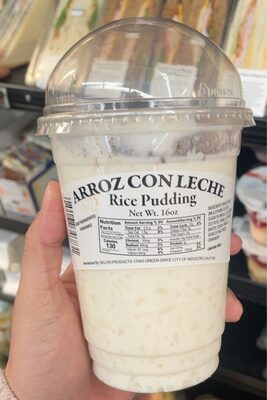
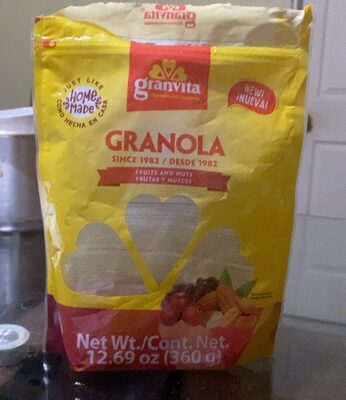
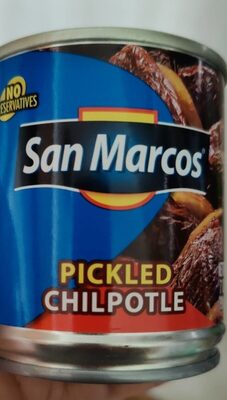
Learn more
Auto-generated content. This description was generated automatically and is pending editorial review. Inaccuracies are possible. Found a mistake? Contact us.