Pink Guava
What is Pink Guava?
Pink guava is a tropical fruit, a variety of guava with pink flesh. It is native to Mexico and Central America but is now grown in tropical and subtropical regions worldwide. The fruit is eaten fresh, or processed into juices, jams, and other food products.
Is Pink Guava vegan?
Pink Guava is not animal-derived. Products that contain it can still include other animal-derived ingredients, so check the full ingredient list.
Is Pink Guava gluten-free?
It does not contain gluten.
Is Pink Guava a major allergen?
Pink guava is not one of the nine FDA major allergens.
What is Pink Guava used for?
Pink guava is used primarily as a flavoring agent and for its natural color in food products.
Is Pink Guava safe?
Pink guava is generally recognized as safe (GRAS) by the FDA when used as a food ingredient.
Why it's used
Pink guava is used primarily as a flavoring agent and for its natural color in food products. Manufacturers add it to impart a sweet, tropical taste and a pinkish hue. It is commonly found in ice cream, yogurt, jams, jellies, sorbets, and beverages.
Health notes
Pink guava is generally recognized as safe (GRAS) by the FDA when used as a food ingredient. It is a good source of vitamin C and dietary fiber. International bodies like JECFA have evaluated guava and its extracts, but no specific numeric limits are set for its use as a flavoring. Evidence does not suggest adverse health effects from typical consumption levels.
Allergen info
Pink guava is not one of the nine FDA major allergens. It does not contain gluten.
Foods that contain Pink Guava
Compare products →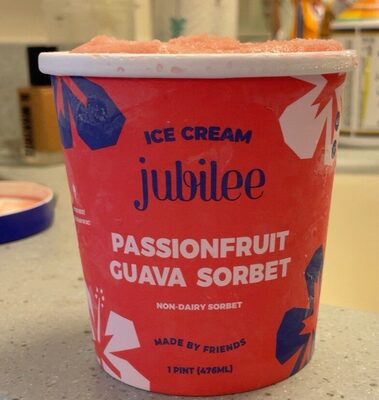
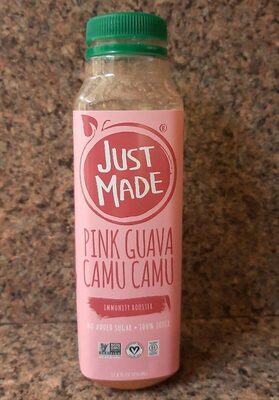
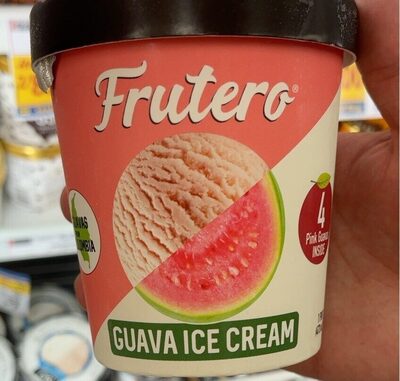
Auto-generated content. This description was generated automatically and is pending editorial review. Inaccuracies are possible. Found a mistake? Contact us.