Poke Sauce
What is Poke Sauce?
Poke sauce is a savory and often slightly sweet sauce used to marinate raw fish for poke bowls, a popular Hawaiian dish. It is typically made with a base of soy sauce or tamari, mixed with ingredients like sesame oil, rice vinegar, ginger, garlic, and sometimes honey or sugar.
Is Poke Sauce a major allergen?
Poke sauce may contain allergens depending on its ingredients.
What is Poke Sauce used for?
Manufacturers add poke sauce to provide a rich, umami flavor and tenderize the fish.
Is Poke Sauce safe?
Poke sauce is a mixture of common food ingredients, and its health implications depend on the specific components and amounts used.
Why it's used
Manufacturers add poke sauce to provide a rich, umami flavor and tenderize the fish. It is a key component in poke bowls, but also appears in sushi, marinades for other seafood, and as a dipping sauce.
Health notes
Poke sauce is a mixture of common food ingredients, and its health implications depend on the specific components and amounts used. High sodium content from soy sauce can be a concern for some individuals. Regulatory bodies like JECFA have evaluated many individual ingredients commonly found in poke sauce, such as soy sauce and sugar, setting standards for their use. No specific regulatory evaluation for 'poke sauce' as a single entity exists.
Allergen info
Poke sauce may contain allergens depending on its ingredients. Soy sauce contains soy, and some recipes may include sesame or fish derivatives. It is not a major allergen unless soy or sesame is present.
Foods that contain Poke Sauce
Compare products →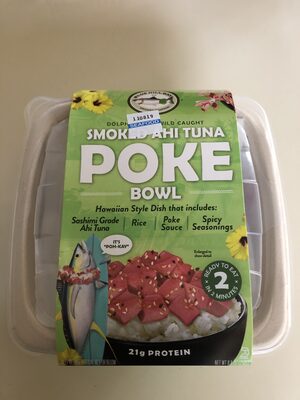
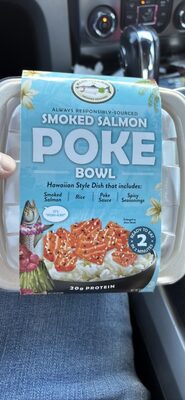
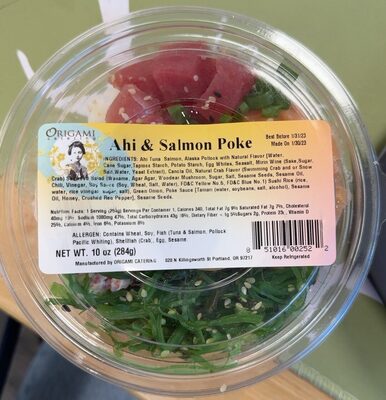
Learn more
Auto-generated content. This description was generated automatically and is pending editorial review. Inaccuracies are possible. Found a mistake? Contact us.