Poly Dextrose
What is Poly Dextrose?
Polydextrose is a soluble fiber made from glucose. It is produced by heating a mixture of glucose, sorbitol, and citric acid. The resulting polymer is a white powder that is nearly flavorless and odorless.
Is Poly Dextrose vegan?
Poly Dextrose is not animal-derived. Products that contain it can still include other animal-derived ingredients, so check the full ingredient list.
Is Poly Dextrose gluten-free?
Polydextrose is not derived from any of the nine major allergens and does not contain gluten.
What is Poly Dextrose used for?
Manufacturers use polydextrose as a bulking agent and a low-calorie sweetener.
Is Poly Dextrose safe?
Polydextrose is generally recognized as safe (GRAS) by the FDA for use in food.
Why it's used
Manufacturers use polydextrose as a bulking agent and a low-calorie sweetener. It can also act as a prebiotic, feeding beneficial gut bacteria. It is often found in sugar-free or reduced-sugar products like jams, jellies, baked goods, and beverages.
Health notes
Polydextrose is generally recognized as safe (GRAS) by the FDA for use in food. It is a source of soluble fiber, which may help with digestive health. JECFA has evaluated polydextrose and established an acceptable daily intake. While generally well-tolerated, consuming very large amounts may cause gas or bloating in some individuals.
Allergen info
Polydextrose is not derived from any of the nine major allergens and does not contain gluten.
Foods that contain Poly Dextrose
Compare products →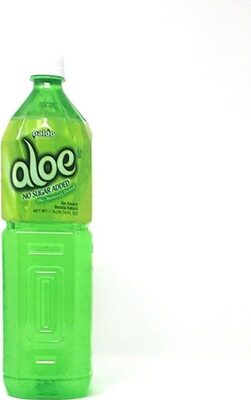
Learn more
Auto-generated content. This description was generated automatically and is pending editorial review. Inaccuracies are possible. Found a mistake? Contact us.