Polyatomic Oxygen
What is Polyatomic Oxygen?
Polyatomic oxygen, often referred to as ozone (O3), is a molecule made of three oxygen atoms. It is a highly reactive gas that occurs naturally in the Earth's atmosphere. Industrially, it can be produced by passing an electric current through oxygen gas.
Is Polyatomic Oxygen vegan?
Polyatomic Oxygen is not animal-derived. Products that contain it can still include other animal-derived ingredients, so check the full ingredient list.
Is Polyatomic Oxygen a major allergen?
Not a major allergen.
What is Polyatomic Oxygen used for?
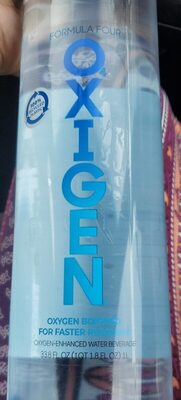
Manufacturers may add oxygen to beverages like water to enhance their perceived freshness or to extend shelf life by inhibiting the growth of certain microorganisms.
Is Polyatomic Oxygen safe?
Oxygen is essential for life and is not regulated as a food additive in the same way as other substances.
Why it's used
Manufacturers may add oxygen to beverages like water to enhance their perceived freshness or to extend shelf life by inhibiting the growth of certain microorganisms. It is also used in some food processing applications for its oxidizing properties.
Health notes
Oxygen is essential for life and is not regulated as a food additive in the same way as other substances. Ingesting water with added oxygen is generally considered safe. Regulatory bodies like the FDA have not set specific guidelines for added oxygen in food products as it is a naturally occurring element. Extensive research exists on the health effects of oxygen, but typically in medical contexts rather than dietary intake from fortified foods.
Allergen info
Not a major allergen.
Foods that contain Polyatomic Oxygen
Compare products →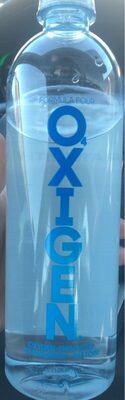

Auto-generated content. This description was generated automatically and is pending editorial review. Inaccuracies are possible. Found a mistake? Contact us.