Polyethylene Glycol
What is Polyethylene Glycol?
Polyethylene glycol (PEG) is a synthetic polymer made from ethylene oxide. It is a versatile ingredient that can range from a liquid to a waxy solid depending on its molecular weight. PEG is produced through a process called polymerization.
Is Polyethylene Glycol vegan?
Polyethylene Glycol is not animal-derived. Products that contain it can still include other animal-derived ingredients, so check the full ingredient list.
Is Polyethylene Glycol gluten-free?
It does not contain gluten.
Is Polyethylene Glycol a major allergen?
Polyethylene glycol is not derived from any of the nine FDA major allergens.
What is Polyethylene Glycol used for?
Manufacturers use polyethylene glycol as a humectant, which helps retain moisture in foods, and as a glazing agent to give food a shiny appearance.
Is Polyethylene Glycol safe?
Polyethylene glycol is generally recognized as safe (GRAS) by the FDA for use in food.
Why it's used
Manufacturers use polyethylene glycol as a humectant, which helps retain moisture in foods, and as a glazing agent to give food a shiny appearance. It can also act as a solvent for flavors and colors. PEGs are found in a variety of products, including baked goods, chewing gum, and some beverages.
Health notes
Polyethylene glycol is generally recognized as safe (GRAS) by the FDA for use in food. International bodies like JECFA have evaluated PEG and established acceptable daily intakes. At typical consumption levels, it is not associated with adverse health effects. Some studies have explored its use in medical applications, but these are distinct from its use as a food ingredient.
Allergen info
Polyethylene glycol is not derived from any of the nine FDA major allergens. It does not contain gluten.
Foods that contain Polyethylene Glycol
Compare products →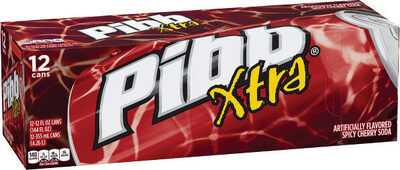
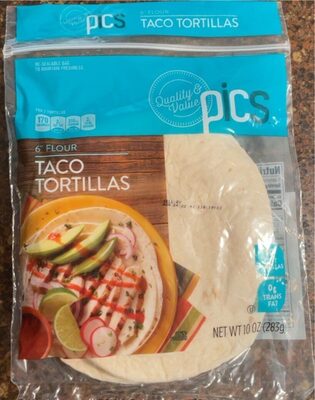
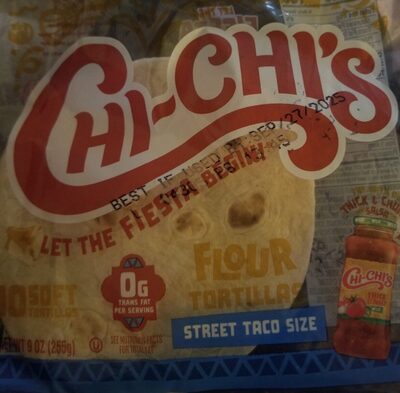
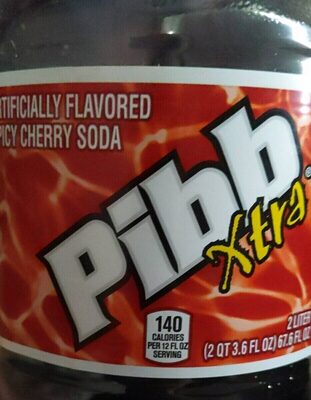
Auto-generated content. This description was generated automatically and is pending editorial review. Inaccuracies are possible. Found a mistake? Contact us.