Sorbitol
What is Sorbitol?
Sorbitol is a type of sugar alcohol found naturally in fruits like apples, pears, peaches, and prunes. It is also produced commercially from glucose, often derived from corn syrup, through a chemical process called hydrogenation.
Is Sorbitol vegan?
Sorbitol is not animal-derived. Products that contain it can still include other animal-derived ingredients, so check the full ingredient list.
Is Sorbitol a major allergen?
Not a major allergen.
What is Sorbitol used for?
Manufacturers add sorbitol as a sugar substitute because it is about 60% as sweet as sugar but contains fewer calories.
Is Sorbitol safe?
The FDA recognizes sorbitol as Generally Recognized As Safe (GRAS).
Why it's used
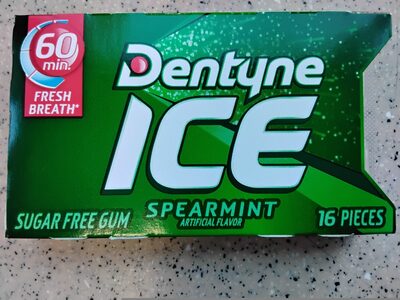
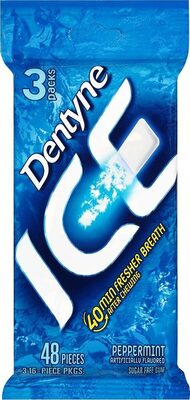
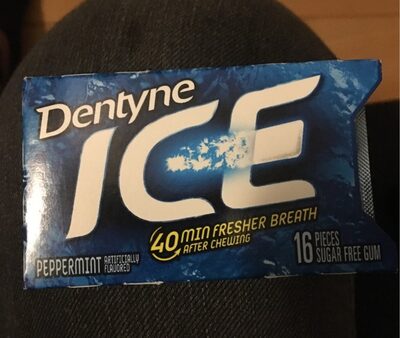
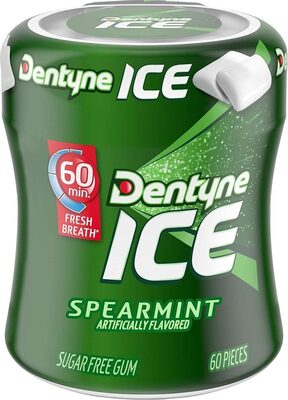
Manufacturers add sorbitol as a sugar substitute because it is about 60% as sweet as sugar but contains fewer calories. It also helps keep foods moist (humectant) and adds bulk. It is commonly found in sugar-free chewing gum, candies, baked goods, and diet beverages.
Health notes
The FDA recognizes sorbitol as Generally Recognized As Safe (GRAS). If consumed in large amounts, sorbitol can cause digestive discomfort such as gas, bloating, or diarrhea, as it is not fully absorbed in the small intestine. JECFA has evaluated sorbitol and did not set a numeric acceptable daily intake (ADI not specified), concluding it is safe at levels used in food. EFSA has also concluded it is safe for use as a food additive.
Allergen info
Not a major allergen.
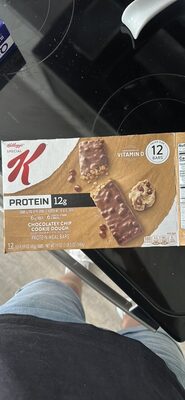
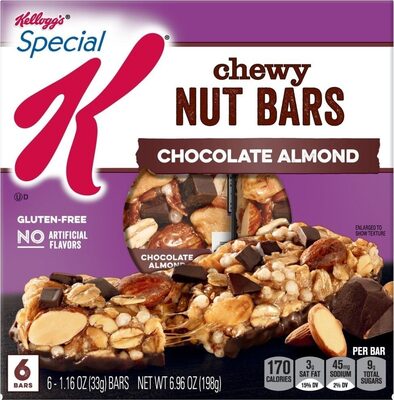
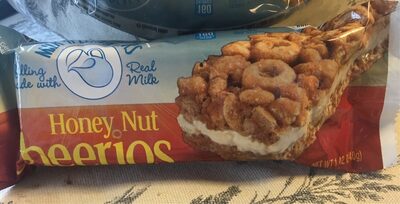
Foods that contain Sorbitol
Compare products →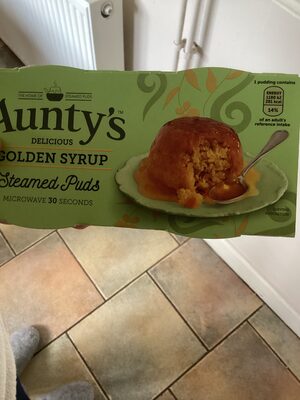
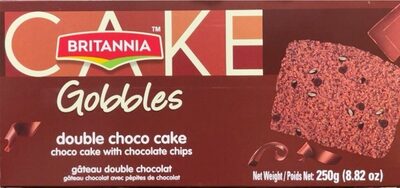
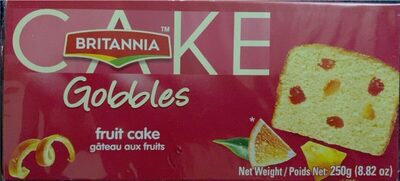 Britannia
Fruit Cake
High in saturated fat — 20% DV per serving
373kcal
3.6Protein
16.4Fat
50.9Carbs

 Kellogg Company US
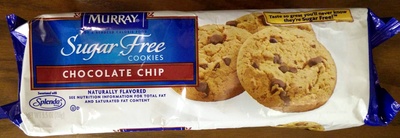
Murray Sugar Free Cookies Chocolate Chip 5.5oz
475kcal
4.9Protein
27Fat
64.1Carbs
Learn more
Auto-generated content. This description was generated automatically and is pending editorial review. Inaccuracies are possible. Found a mistake? Contact us.