Preserved Lemon
What is Preserved Lemon?
Preserved lemon is a traditional North African condiment made from whole lemons that have been pickled in salt and their own juices. The curing process softens the peel and mellows the intense lemon flavor, making the entire fruit edible. It is a staple in Moroccan cuisine and other Mediterranean dishes.
Is Preserved Lemon vegan?
Preserved Lemon is not animal-derived. Products that contain it can still include other animal-derived ingredients, so check the full ingredient list.
Is Preserved Lemon gluten-free?
It does not contain gluten.
Is Preserved Lemon a major allergen?
Preserved lemon is not derived from any of the nine FDA major allergens.
What is Preserved Lemon used for?
Manufacturers use preserved lemon primarily to add a unique, salty, and intensely lemony flavor to foods.
Is Preserved Lemon safe?
Preserved lemon is generally recognized as safe (GRAS) by the FDA for use as a food ingredient.
Why it's used
Manufacturers use preserved lemon primarily to add a unique, salty, and intensely lemony flavor to foods. It can be used in savory dishes like tagines, stews, and roasted meats, as well as in dressings, marinades, and dips. Its distinct taste profile makes it a versatile ingredient for adding brightness and depth.
Health notes
Preserved lemon is generally recognized as safe (GRAS) by the FDA for use as a food ingredient. It is a natural source of vitamin C and antioxidants. While it contains a significant amount of sodium due to the preservation process, moderate consumption as part of a balanced diet is not typically associated with adverse health effects. International bodies like JECFA have evaluated similar preserved fruit products.
Allergen info
Preserved lemon is not derived from any of the nine FDA major allergens. It does not contain gluten.
Foods that contain Preserved Lemon
Compare products →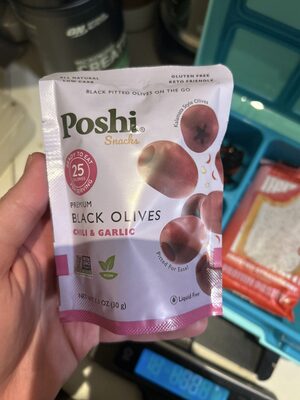
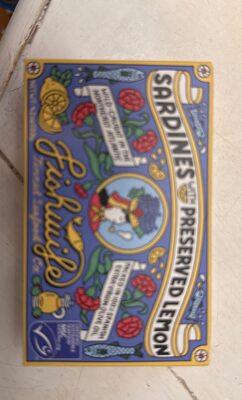
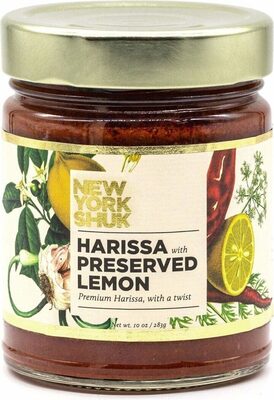
Learn more
Auto-generated content. This description was generated automatically and is pending editorial review. Inaccuracies are possible. Found a mistake? Contact us.