Prickly Ash Powder
What is Prickly Ash Powder?
Prickly ash powder is made from the dried bark and berries of the prickly ash tree, native to North America and parts of Asia. The bark and berries are ground into a fine powder. It has a spicy, peppery flavor with a tingling sensation.
Is Prickly Ash Powder vegan?
Prickly Ash Powder is not animal-derived. Products that contain it can still include other animal-derived ingredients, so check the full ingredient list.
Is Prickly Ash Powder gluten-free?
It is not derived from any of the nine major allergens and does not contain gluten.
Is Prickly Ash Powder a major allergen?
Not a major allergen.
What is Prickly Ash Powder used for?
Prickly ash powder is used as a spice and flavoring agent, particularly in ethnic cuisines like Chinese and Mexican food.
Is Prickly Ash Powder safe?
Prickly ash is generally recognized as safe (GRAS) by the FDA when used as a food ingredient.
Why it's used
Prickly ash powder is used as a spice and flavoring agent, particularly in ethnic cuisines like Chinese and Mexican food. It adds a unique, pungent heat and a slight numbing sensation to dishes, often found in chili oils, sauces, and marinades.
Health notes
Prickly ash is generally recognized as safe (GRAS) by the FDA when used as a food ingredient. It is not typically associated with adverse health effects when consumed in amounts found in food. Regulatory bodies like JECFA and EFSA have not specifically evaluated prickly ash powder for food additive purposes, as it is primarily used for its flavor.
Allergen info
Not a major allergen. It is not derived from any of the nine major allergens and does not contain gluten.
Foods that contain Prickly Ash Powder
Compare products →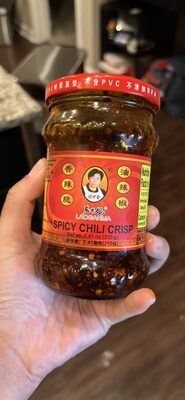 Dse Healthcare Solutions, LLC
Spicy Chili Crisp
High in sodium — 24% DV per serving
High in saturated fat — 20% DV per serving
703kcal
6.7Protein
68.3Fat
10Carbs
Dse Healthcare Solutions, LLC
Spicy Chili Crisp
High in sodium — 24% DV per serving
High in saturated fat — 20% DV per serving
703kcal
6.7Protein
68.3Fat
10Carbs
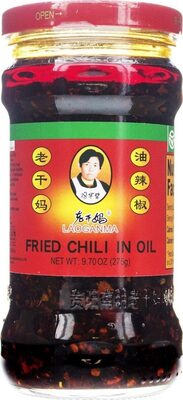 Dse Healthcare Solutions, LLC
Fried Chili In Oil
628kcal
6.7Protein
53.3Fat
28.3Carbs
Dse Healthcare Solutions, LLC
Fried Chili In Oil
628kcal
6.7Protein
53.3Fat
28.3Carbs
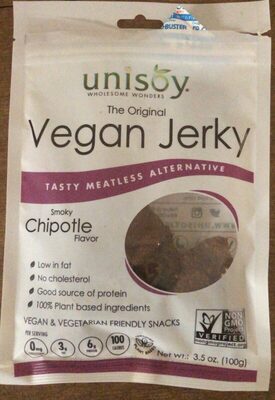 AFC Trading & Wholesale, Inc.
Smoky Chipotle Flavor Vegan Jerky, Smoky Chipotle
357kcal
21.4Protein
10.7Fat
42.9Carbs
AFC Trading & Wholesale, Inc.
Smoky Chipotle Flavor Vegan Jerky, Smoky Chipotle
357kcal
21.4Protein
10.7Fat
42.9Carbs
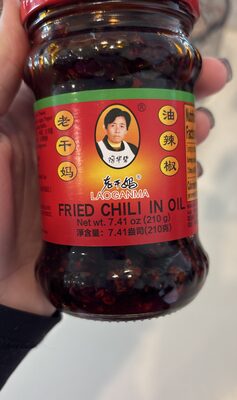 Dse Healthcare Solutions, LLC
Fried Chili In Oil
633kcal
6.7Protein
53.3Fat
26.7Carbs
Dse Healthcare Solutions, LLC
Fried Chili In Oil
633kcal
6.7Protein
53.3Fat
26.7Carbs
Learn more
Auto-generated content. This description was generated automatically and is pending editorial review. Inaccuracies are possible. Found a mistake? Contact us.