Probiotic B
What is Probiotic B?
Probiotic B is a type of live bacteria, often from the Lactobacillus or Bifidobacterium families. These beneficial microorganisms are typically grown in a lab using a fermentation process, often on a nutrient-rich medium.
Is Probiotic B a major allergen?
Probiotic B itself is not a major allergen.
What is Probiotic B used for?
Manufacturers add Probiotic B to foods to increase the number of beneficial live bacteria, which are thought to support gut health.
Is Probiotic B safe?
Probiotic B is generally recognized as safe (GRAS) by the FDA for use in foods.
Why it's used
Manufacturers add Probiotic B to foods to increase the number of beneficial live bacteria, which are thought to support gut health. It is commonly found in fermented dairy products like yogurt and kefir, as well as in some supplements and juices.
Health notes
Probiotic B is generally recognized as safe (GRAS) by the FDA for use in foods. While research is ongoing, some studies suggest that probiotics may help support digestive health. International bodies like EFSA have also reviewed probiotics. Evidence on specific health benefits can vary depending on the strain and the individual.
Allergen info
Probiotic B itself is not a major allergen. However, it is often found in dairy products, and the fermentation medium may sometimes contain allergens like soy or milk, which would be listed separately.
Foods that contain Probiotic B
Compare products →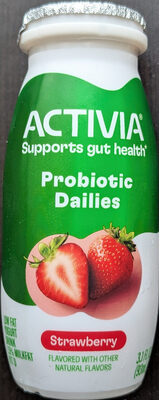 Danone US, LLC
Strawberry Flavor Probiotic Dailies Lowfat Yogurt Drink, Strawberry
75kcal
3.2Protein
1.6Fat
11.8Carbs
Danone US, LLC
Strawberry Flavor Probiotic Dailies Lowfat Yogurt Drink, Strawberry
75kcal
3.2Protein
1.6Fat
11.8Carbs
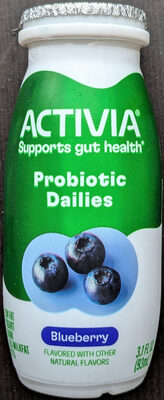 Danone US, LLC
Blueberry Flavor Probiotic Dailies Lowfat Yogurt Drink, Blueberry
75kcal
3.2Protein
1.6Fat
11.8Carbs
Danone US, LLC
Mango Turmeric With Real Turmeric Probiotic Dailies Lowfat Yogurt Drink, Mango Turmeric
75kcal
3.2Protein
1.6Fat
14.0Carbs
Danone US, LLC
Lemon Ginger With Real Ginger Probiotic Dailies Lowfat Yogurt Drink, Lemon Ginger
75kcal
3.2Protein
1.6Fat
14.0Carbs
Danone US, LLC
Blueberry Flavor Probiotic Dailies Lowfat Yogurt Drink, Blueberry
75kcal
3.2Protein
1.6Fat
11.8Carbs
Danone US, LLC
Mango Turmeric With Real Turmeric Probiotic Dailies Lowfat Yogurt Drink, Mango Turmeric
75kcal
3.2Protein
1.6Fat
14.0Carbs
Danone US, LLC
Lemon Ginger With Real Ginger Probiotic Dailies Lowfat Yogurt Drink, Lemon Ginger
75kcal
3.2Protein
1.6Fat
14.0Carbs
Auto-generated content. This description was generated automatically and is pending editorial review. Inaccuracies are possible. Found a mistake? Contact us.