Purple Carrot And Hibiscus Flower Extracts
What is Purple Carrot And Hibiscus Flower Extracts?
These are natural colorants made from the pigments found in purple carrots and hibiscus flowers. The extracts are typically produced by pressing the plants to release their juices, then concentrating and purifying the color compounds.
Is Purple Carrot And Hibiscus Flower Extracts vegan?
Purple Carrot And Hibiscus Flower Extracts is not animal-derived. Products that contain it can still include other animal-derived ingredients, so check the full ingredient list.
Is Purple Carrot And Hibiscus Flower Extracts gluten-free?
These extracts are derived from plants and do not contain gluten.
Is Purple Carrot And Hibiscus Flower Extracts a major allergen?
Not a major allergen.
What is Purple Carrot And Hibiscus Flower Extracts used for?
Manufacturers use these extracts to provide vibrant purple and red colors in food and beverage products.
Is Purple Carrot And Hibiscus Flower Extracts safe?
Purple carrot and hibiscus extracts are generally recognized as safe (GRAS) by the FDA for use as food colorants.
Why it's used
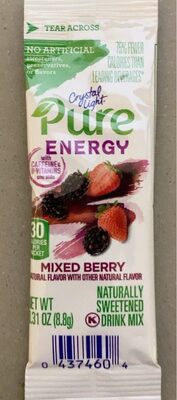
Manufacturers use these extracts to provide vibrant purple and red colors in food and beverage products. They are often found in powdered drink mixes, candies, yogurts, and baked goods as a natural alternative to synthetic dyes.
Health notes
Purple carrot and hibiscus extracts are generally recognized as safe (GRAS) by the FDA for use as food colorants. Regulatory bodies like EFSA have evaluated natural food colorings, and these are considered safe when consumed at typical levels. Research on these natural colorants has not raised significant health concerns.
Allergen info
Not a major allergen. These extracts are derived from plants and do not contain gluten.
Foods that contain Purple Carrot And Hibiscus Flower Extracts
Compare products →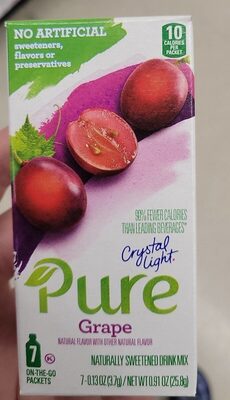
Learn more
Auto-generated content. This description was generated automatically and is pending editorial review. Inaccuracies are possible. Found a mistake? Contact us.