Quinine Hydrochloride
What is Quinine Hydrochloride?
Quinine hydrochloride is a salt form of quinine, a bitter compound naturally found in the bark of the cinchona tree. It is typically manufactured by chemically treating quinine extracted from the bark.
Is Quinine Hydrochloride vegan?
Quinine Hydrochloride is not animal-derived. Products that contain it can still include other animal-derived ingredients, so check the full ingredient list.
Is Quinine Hydrochloride a major allergen?
Not a major allergen.
What is Quinine Hydrochloride used for?
Quinine hydrochloride is primarily used as a flavoring agent to give tonic water and some other beverages a distinct bitter taste.
Is Quinine Hydrochloride safe?
In the U.S., quinine is approved as a food additive for flavoring purposes.
Why it's used
Quinine hydrochloride is primarily used as a flavoring agent to give tonic water and some other beverages a distinct bitter taste. Its bitterness is a key characteristic that manufacturers seek for these specific drink profiles.
Health notes
In the U.S., quinine is approved as a food additive for flavoring purposes. The FDA has established regulations for its use in food. While quinine has a long history of medicinal use, its use in food is limited to flavoring at very low concentrations. JECFA has evaluated quinine and established an acceptable daily intake. Some individuals may experience adverse effects from quinine, such as nausea or skin reactions, particularly at higher doses than typically found in food.
Allergen info
Not a major allergen.
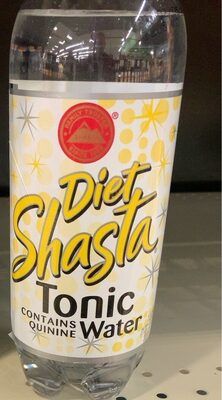
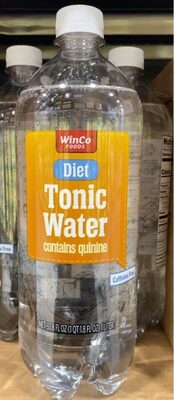
Foods that contain Quinine Hydrochloride
Compare products →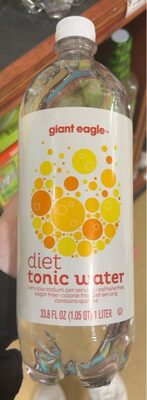
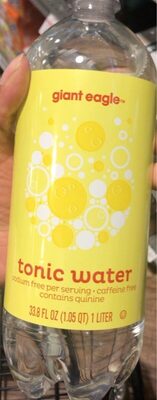
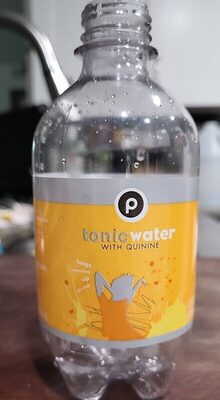
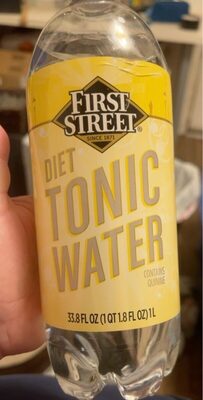
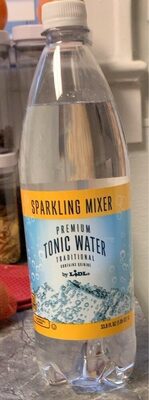
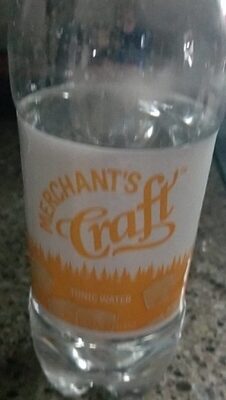 Merchant'S Craft
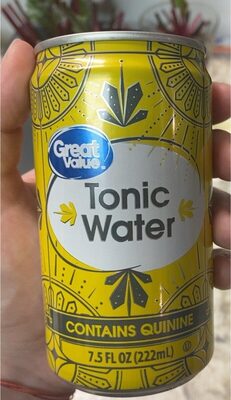
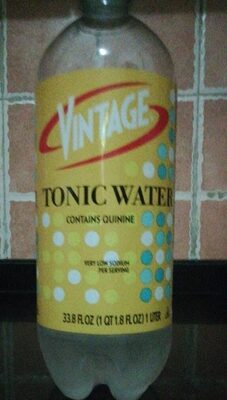
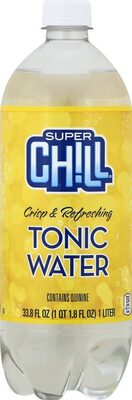
Tonic Water
High in added sugars — 54% DV per serving
33kcal
0Protein
0Fat
8.1Carbs
Learn more
Auto-generated content. This description was generated automatically and is pending editorial review. Inaccuracies are possible. Found a mistake? Contact us.