Raising Agents: Sodium Bicarbonate E-500
What is Raising Agents: Sodium Bicarbonate E-500?
Sodium bicarbonate is a white crystalline powder that is a salt of sodium and bicarbonate. It occurs naturally in mineral springs and is also produced industrially. It is commonly known as baking soda.
Is Raising Agents: Sodium Bicarbonate E-500 vegan?
Raising Agents: Sodium Bicarbonate E-500 is not animal-derived. Products that contain it can still include other animal-derived ingredients, so check the full ingredient list.
Is Raising Agents: Sodium Bicarbonate E-500 gluten-free?
It does not contain gluten.
Is Raising Agents: Sodium Bicarbonate E-500 a major allergen?
Not a major allergen.
What is Raising Agents: Sodium Bicarbonate E-500 used for?
Sodium bicarbonate is a leavening agent, meaning it helps baked goods rise.
Is Raising Agents: Sodium Bicarbonate E-500 safe?
Sodium bicarbonate is Generally Recognized As Safe (GRAS) by the FDA for use as a food additive.
Why it's used
Sodium bicarbonate is a leavening agent, meaning it helps baked goods rise. When heated or combined with an acid, it produces carbon dioxide gas, which creates bubbles and makes dough or batter expand. It is frequently found in cookies, cakes, breads, and other baked goods.
Health notes
Sodium bicarbonate is Generally Recognized As Safe (GRAS) by the FDA for use as a food additive. It is used in small amounts in food and is not associated with adverse health effects at typical consumption levels. JECFA and EFSA have evaluated sodium bicarbonate and found it to be safe for its intended use.
Allergen info
Not a major allergen. It does not contain gluten.
Foods that contain Raising Agents: Sodium Bicarbonate E-500
Compare products →
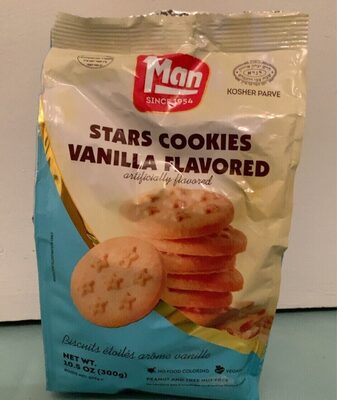
Auto-generated content. This description was generated automatically and is pending editorial review. Inaccuracies are possible. Found a mistake? Contact us.