Raising Agents: Sodium Hydrogen Carbonate
What is Raising Agents: Sodium Hydrogen Carbonate?
Sodium hydrogen carbonate, also known as baking soda, is a white crystalline powder. It is a salt of carbonic acid and is found naturally in mineral deposits. It is manufactured for commercial use.
Is Raising Agents: Sodium Hydrogen Carbonate vegan?
Raising Agents: Sodium Hydrogen Carbonate is not animal-derived. Products that contain it can still include other animal-derived ingredients, so check the full ingredient list.
Is Raising Agents: Sodium Hydrogen Carbonate a major allergen?
Not a major allergen.
What is Raising Agents: Sodium Hydrogen Carbonate used for?
This ingredient acts as a leavening agent, producing carbon dioxide gas when heated or combined with an acid.
Is Raising Agents: Sodium Hydrogen Carbonate safe?
Sodium hydrogen carbonate is generally recognized as safe (GRAS) by the FDA for use as a food additive.
Why it's used
This ingredient acts as a leavening agent, producing carbon dioxide gas when heated or combined with an acid. This causes doughs and batters to rise, creating a lighter texture in baked goods. It is commonly found in cookies, crackers, cakes, and breads.
Health notes
Sodium hydrogen carbonate is generally recognized as safe (GRAS) by the FDA for use as a food additive. It is a source of sodium, and excessive intake of sodium can be a concern for blood pressure. JECFA has evaluated it and set an acceptable daily intake. It is not known to be associated with significant health controversies when consumed in typical amounts found in food.
Allergen info
Not a major allergen.
Foods that contain Raising Agents: Sodium Hydrogen Carbonate
Compare products →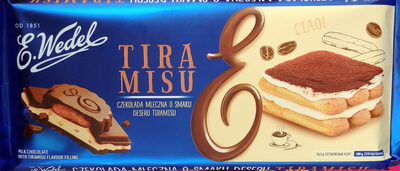 E.WEDEL
Milk Chocolate With Tiramisu Flavour Filling
High in saturated fat — 45% DV per serving
533kcal
6.2Protein
30.7Fat
59.4Carbs
E.WEDEL
Milk Chocolate With Tiramisu Flavour Filling
High in saturated fat — 45% DV per serving
533kcal
6.2Protein
30.7Fat
59.4Carbs
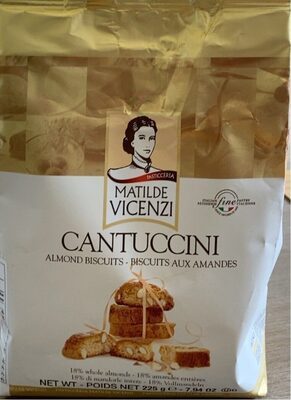 VICENZI SPA
Cantuccini Almond Biscotti, Cantuccini
433kcal
10Protein
13.3Fat
66.7Carbs
Cavallini Papers & Co., Inc.
Gastone Lago Elledi, Poker Wafer, Lemon, Lemon
High in saturated fat — 30% DV per serving
533kcal
3.3Protein
26.7Fat
66.7Carbs
VICENZI SPA
Cantuccini Almond Biscotti, Cantuccini
433kcal
10Protein
13.3Fat
66.7Carbs
Cavallini Papers & Co., Inc.
Gastone Lago Elledi, Poker Wafer, Lemon, Lemon
High in saturated fat — 30% DV per serving
533kcal
3.3Protein
26.7Fat
66.7Carbs
Auto-generated content. This description was generated automatically and is pending editorial review. Inaccuracies are possible. Found a mistake? Contact us.