Raw Multifloral Manuka Honey
Auto-generated content. This description was generated automatically and is pending editorial review. Inaccuracies are possible. Found a mistake? Contact us.
What it is
Manuka honey is a type of honey produced by bees that pollinate the native Manuka bush (Leptospermum scoparium), which is found in New Zealand and parts of Australia. "Multifloral" indicates that the bees collected nectar from a variety of flowers, including the Manuka bush. Raw honey has not been heated or pasteurized.
Why it's used
Manufacturers use raw multifloral Manuka honey primarily as a natural sweetener in foods and beverages. Its distinct flavor profile and perceived health benefits also make it a popular ingredient in health foods, teas, and baked goods.
Health notes
Raw honey, including Manuka honey, is recognized by the FDA as a food ingredient. The U.S. National Academies have established upper intake levels for some vitamins and minerals, but not for honey itself. International bodies like JECFA have evaluated honey and set an acceptable daily intake. Some research suggests potential antibacterial properties of Manuka honey due to compounds like methylglyoxal (MGO), but more rigorous studies are needed to confirm these effects in humans at typical consumption levels. Evidence regarding specific health benefits is still developing.
Allergen info
Honey is not one of the 9 FDA major allergens. It does not contain gluten.
Products containing Raw Multifloral Manuka Honey
Compare products →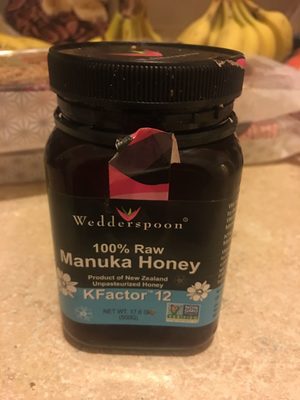 Wedderspoon Organic LLC
Raw Multifloral Manuka Honey
333kcal
0Protein
0Fat
81.0Carbs
Wedderspoon Organic LLC
Kfactor 12 Raw Multifloral Manuka Honey
333kcal
0Protein
0Fat
81.0Carbs
Wedderspoon Organic LLC
Raw Gold Multifloral Manuka Honey Kfactor 12, Gold Multifloral
333kcal
0Protein
0Fat
81.0Carbs
Wedderspoon Organic LLC
K Factor 12 Raw Multifloral Manuka Honey
333kcal
0Protein
0Fat
81.0Carbs
Wedderspoon Organic LLC
Immunity Blackcurrant Unfiltered Apple Cider Vinegar, Immunity Blackcurrant
50kcal
0Protein
0Fat
13.3Carbs
Wedderspoon Organic LLC
Detox Ginger Turmeric Unfiltered Apple Cider Vinegar, Detox Ginger Turmeric
50kcal
0Protein
0Fat
13.3Carbs
Wedderspoon Organic LLC
Blackcurrant Unfiltered Apple Cider Vinegar Drink With The Mother, Blackcurrant
50kcal
0.3Protein
0Fat
12.1Carbs
Wedderspoon Organic LLC
Raw Multifloral Manuka Honey
333kcal
0Protein
0Fat
81.0Carbs
Wedderspoon Organic LLC
Kfactor 12 Raw Multifloral Manuka Honey
333kcal
0Protein
0Fat
81.0Carbs
Wedderspoon Organic LLC
Raw Gold Multifloral Manuka Honey Kfactor 12, Gold Multifloral
333kcal
0Protein
0Fat
81.0Carbs
Wedderspoon Organic LLC
K Factor 12 Raw Multifloral Manuka Honey
333kcal
0Protein
0Fat
81.0Carbs
Wedderspoon Organic LLC
Immunity Blackcurrant Unfiltered Apple Cider Vinegar, Immunity Blackcurrant
50kcal
0Protein
0Fat
13.3Carbs
Wedderspoon Organic LLC
Detox Ginger Turmeric Unfiltered Apple Cider Vinegar, Detox Ginger Turmeric
50kcal
0Protein
0Fat
13.3Carbs
Wedderspoon Organic LLC
Blackcurrant Unfiltered Apple Cider Vinegar Drink With The Mother, Blackcurrant
50kcal
0.3Protein
0Fat
12.1Carbs