Reba
What is Reba?
Rebaudioside A is a sweet compound found in the leaves of the Stevia rebaudiana plant. It is one of several steviol glycosides that give stevia its intense sweetness. It is typically extracted from the leaves and then purified.
Is Reba vegan?
Reba is not animal-derived. Products that contain it can still include other animal-derived ingredients, so check the full ingredient list.
Is Reba gluten-free?
It does not contain gluten.
Is Reba a major allergen?
Rebaudioside A is not derived from any of the nine FDA major allergens.
What is Reba used for?
Rebaudioside A is used as a high-intensity sweetener, providing sweetness with very few calories.
Is Reba safe?
Rebaudioside A is Generally Recognized As Safe (GRAS) by the FDA for use as a sweetener.
Why it's used
Rebaudioside A is used as a high-intensity sweetener, providing sweetness with very few calories. It is often used in beverages, dairy products, baked goods, and tabletop sweeteners. Manufacturers use it to reduce sugar content while maintaining a sweet taste.
Health notes
Rebaudioside A is Generally Recognized As Safe (GRAS) by the FDA for use as a sweetener. International bodies like JECFA and EFSA have evaluated steviol glycosides, including Rebaudioside A, and have established acceptable daily intakes. At typical consumption levels, it is not associated with adverse health effects. Some research explores its potential impact on gut microbiota, but more studies are needed.
Allergen info
Rebaudioside A is not derived from any of the nine FDA major allergens. It does not contain gluten.
Foods that contain Reba
Compare products →
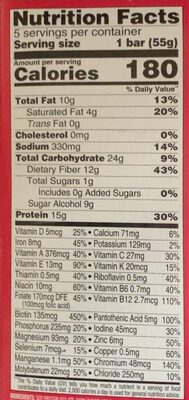
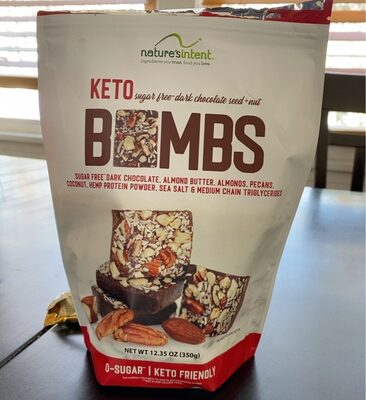

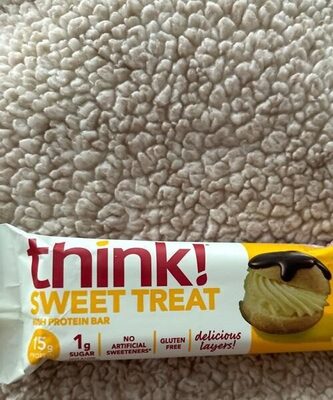
Learn more
Auto-generated content. This description was generated automatically and is pending editorial review. Inaccuracies are possible. Found a mistake? Contact us.