Red 3 Lake
What is Red 3 Lake?
Red 3 Lake is a color additive used to make foods red or pink. It is a "lake" pigment, meaning the dye (Red 3) is mixed with an insoluble material, typically aluminum hydroxide, to make it more stable and suitable for certain food applications.
Is Red 3 Lake vegan?
Red 3 Lake is not animal-derived. Products that contain it can still include other animal-derived ingredients, so check the full ingredient list.
Is Red 3 Lake a major allergen?
Not a major allergen.
What is Red 3 Lake used for?
Manufacturers add Red 3 Lake to provide a red or pink color to various food products.
Is Red 3 Lake safe?
Red 3 Lake is a color additive that was previously approved by the FDA for use in foods.
Why it's used
Manufacturers add Red 3 Lake to provide a red or pink color to various food products. It is often found in candies, baked goods, and snack foods like cookies, chocolate, popcorn, and nuts.
Health notes
Red 3 Lake is a color additive that was previously approved by the FDA for use in foods. However, the FDA revoked its approval for food use in January 2025, with manufacturers having until January 2027 to comply. This revocation was based on the Delaney Clause of the Federal Food, Drug, and Cosmetic Act, as Red 3 was found to cause cancer in male rats in high doses; the FDA has stated this finding is not relevant to human risk. JECFA has evaluated Red 3 (Erythrosine) and set an acceptable daily intake.
Allergen info
Not a major allergen.
Foods that contain Red 3 Lake
Compare products →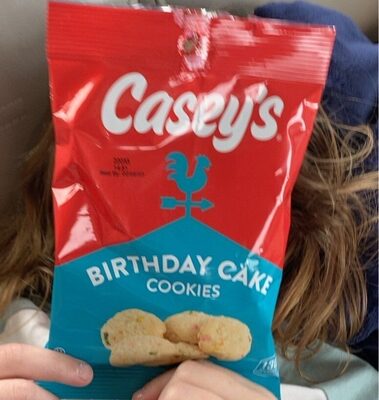
Learn more
Auto-generated content. This description was generated automatically and is pending editorial review. Inaccuracies are possible. Found a mistake? Contact us.