Red #40 Aluminum Lake
What is Red #40 Aluminum Lake?
Red #40 Aluminum Lake is a synthetic color additive derived from petroleum. It is a 'lake' pigment, meaning the Red #40 dye is adsorbed onto an insoluble aluminum hydroxide base. This form makes it suitable for coloring products with little moisture or those containing fats, where a water-soluble dye might bleed.
Is Red #40 Aluminum Lake vegan?
Red #40 Aluminum Lake is not animal-derived. Products that contain it can still include other animal-derived ingredients, so check the full ingredient list.
Is Red #40 Aluminum Lake a major allergen?
Not a major allergen.
What is Red #40 Aluminum Lake used for?
Manufacturers add Red #40 Aluminum Lake to provide a red color to a variety of foods.
Is Red #40 Aluminum Lake safe?
Red #40 Aluminum Lake is an FDA-approved color additive for use in food.
Why it's used
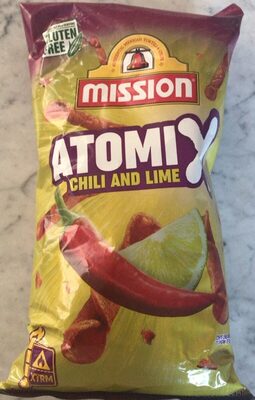
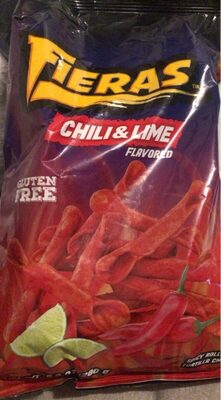
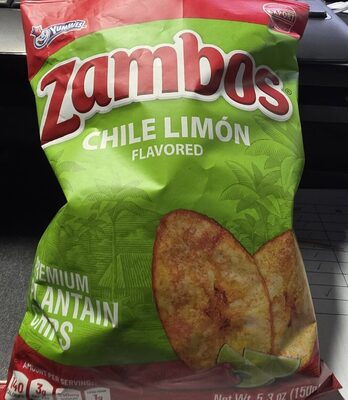
Manufacturers add Red #40 Aluminum Lake to provide a red color to a variety of foods. It is often found in products like chips, pretzels, snacks, chocolate, cookies, and other baked goods. Its insoluble nature helps prevent color migration in these types of foods.
Health notes
Red #40 Aluminum Lake is an FDA-approved color additive for use in food. In April 2025, the FDA announced a plan to phase out petroleum-based synthetic dyes, including Red #40. JECFA has evaluated Red #40 and set an acceptable daily intake, and EFSA has also evaluated it. There has been mixed evidence regarding a potential link between synthetic food colors, including Red #40, and hyperactivity in some children; the FDA states that available scientific evidence does not support a causal link for the general population but acknowledges that some children may be sensitive.
Allergen info
Not a major allergen.
Foods that contain Red #40 Aluminum Lake
Compare products →

Learn more
Auto-generated content. This description was generated automatically and is pending editorial review. Inaccuracies are possible. Found a mistake? Contact us.