Red 40 And Red 3
Auto-generated content. This description was generated automatically and is pending editorial review. Inaccuracies are possible. Found a mistake? Contact us.
What it is
Red 40 (Allura Red AC) and Red 3 (Erythrosine) are synthetic food colors. Red 40 is derived from petroleum, while Red 3 is a coal-tar dye. They are manufactured to provide specific red hues in food products.
Why it's used
These dyes are added to foods to enhance their visual appeal and provide a consistent red color. They are commonly found in candies, beverages, baked goods, and other processed foods where a vibrant red is desired. Their primary function is to act as a color additive.
Health notes
Red 40 is an FDA-approved color additive, though in April 2025, the FDA announced a plan to phase out petroleum-based synthetic dyes, including Red 40. JECFA has evaluated Red 40 and set an acceptable daily intake. Some studies have suggested a possible link between synthetic food colors like Red 40 and hyperactivity in some children, but the scientific evidence is mixed. Red 3 was revoked by the FDA for food use in January 2025, with manufacturers having until January 2027 to remove it from products. This revocation was due to the Delaney Clause, as it caused cancer in male rats, though the FDA stated this is not relevant to human risk. California's Food Safety Act also bans Red 3 in food from 2027. JECFA has evaluated Red 3 and set an acceptable daily intake.
Allergen info
Neither Red 40 nor Red 3 is derived from any of the nine major food allergens. Not a major allergen.
Products containing Red 40 And Red 3
Compare products →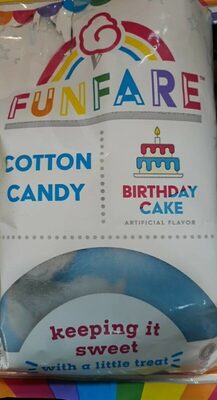 Thrive Brands LLC
Birthday Cake Cotton Candy, Birthday Cake
High in added sugars — 56% DV per serving
386kcal
0Protein
0Fat
98.2Carbs
TOB Projects LLC
Taste Of Belgium Birthday Cake Waffles, Taste Of Belgium
High in saturated fat — 35% DV per serving
High in added sugars — 30% DV per serving
417kcal
6.7Protein
18.3Fat
51.7Carbs
Thrive Brands LLC
Birthday Cake Cotton Candy, Birthday Cake
High in added sugars — 56% DV per serving
386kcal
0Protein
0Fat
98.2Carbs
TOB Projects LLC
Taste Of Belgium Birthday Cake Waffles, Taste Of Belgium
High in saturated fat — 35% DV per serving
High in added sugars — 30% DV per serving
417kcal
6.7Protein
18.3Fat
51.7Carbs