Red 40 & Yellow 5
Auto-generated content. This description was generated automatically and is pending editorial review. Inaccuracies are possible. Found a mistake? Contact us.
What it is
Red 40 (Allura Red AC) and Yellow 5 (Tartrazine) are synthetic food colors. They are produced from petroleum and are among the most commonly used food dyes in the United States.
Why it's used
These dyes are added to foods and beverages to give them a vibrant, consistent color, making them more visually appealing. They are frequently found in candies, sodas, baked goods like cakes and cupcakes, and snack foods.
Health notes
Red 40 and Yellow 5 are approved by the FDA as food additives. There has been ongoing debate about their potential link to hyperactivity in some children. While some studies suggest a connection, the evidence is mixed, and not all research has found a clear causal link. JECFA has evaluated both Red 40 and Yellow 5 and set acceptable daily intakes. EFSA has also evaluated these dyes and noted that some studies suggest a link to hyperactivity in children, particularly when consumed with other artificial colors and the preservative sodium benzoate. In April 2025, the FDA announced a plan to phase out petroleum-based synthetic dyes, including Red 40 and Yellow 5, from the US food supply.
Allergen info
Red 40 and Yellow 5 are not derived from any of the nine major FDA allergens, nor do they contain gluten.
Products containing Red 40 & Yellow 5
Compare products →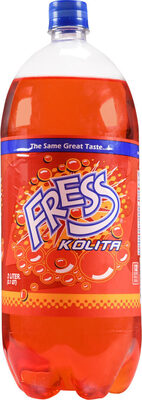 The B.P. Of Miami, Inc.
Kolita
55kcal
0Protein
0Fat
13.8Carbs
The B.P. Of Miami, Inc.
Kolita
55kcal
0Protein
0Fat
13.8Carbs